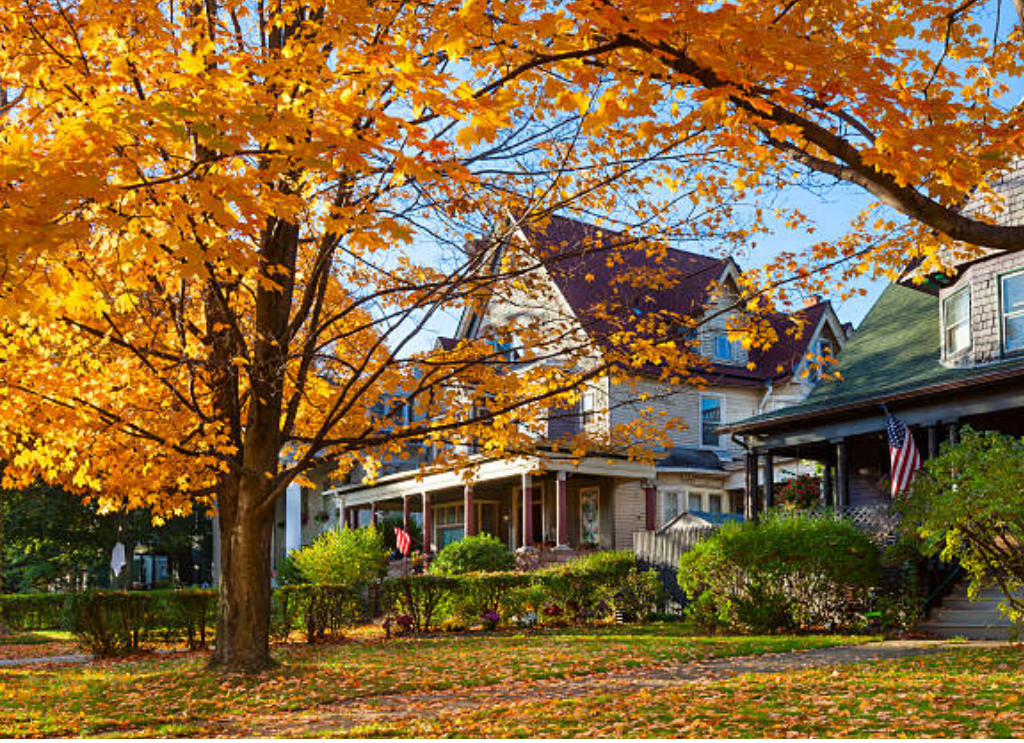
Living in Buffalo, NY
Life in the Queen City

Buffalo, New York has always been a city with backbone. Forged by the Erie Canal and Great Lakes industry, it rose as an American powerhouse and never lost its edge. Today, Buffalo pairs historic architecture and waterfront revival with fiercely loyal sports culture and a cost of living that remains accessible compared to much of the Northeast.
To live here is to experience distinct seasons, neighborhood identity, and a community that shows up for its own. Buffalo isn’t manufactured momentum — it’s earned resilience, still unfolding in real time.
Is Buffalo a Good Place to Live?
For many residents, the answer is yes — especially if you value:
Affordability compared to larger Northeast cities
Distinct four-season living
Walkable neighborhoods with character
Strong local pride and community involvement
Access to nature, waterfront, and parks
Buffalo is not a fast-paced, anonymous metro. It feels grounded. Local. Connected.
If you’re looking for a city where neighborhoods still matter and locally owned businesses thrive, Buffalo delivers.
Where Is Buffalo, NY?
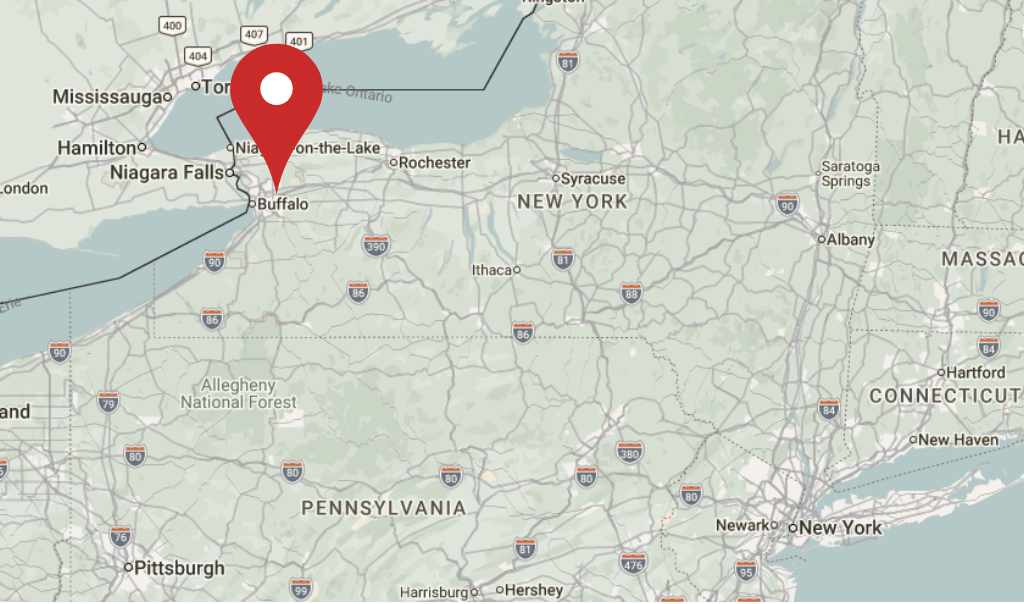
Buffalo sits on the eastern shore of Lake Erie in Western New York, just 20 miles south of Niagara Falls and about two hours from Toronto.
Its location shapes its identity.
The Great Lakes influence the weather. Cross-border proximity shapes commerce. The waterfront defines lifestyle.
Buffalo isn’t just “upstate New York.” It has its own rhythm, culture, and pride.
Cost of Living in Buffalo, NY
One of the biggest reasons people consider living in Buffalo is affordability — especially compared to major Northeast cities.
Buffalo’s overall cost of living is estimated to be roughly 14% lower than the national average, making it one of the more accessible housing markets in the region.
But affordability in Buffalo isn’t just about lower prices — it’s about value relative to lifestyle.
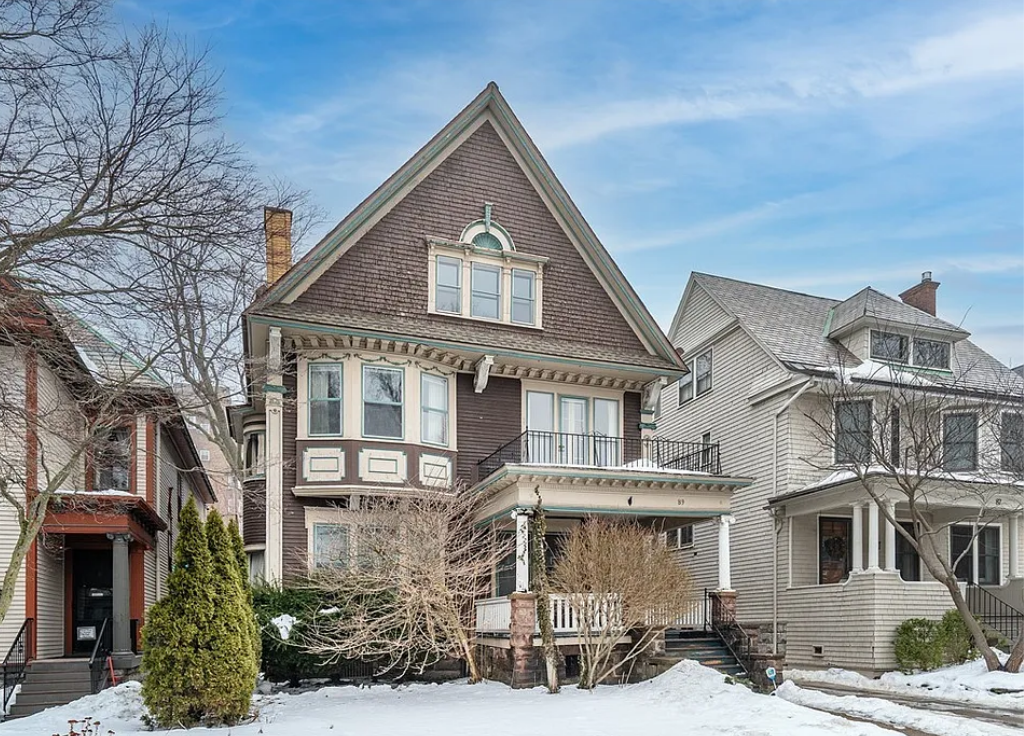
Buffalo offers a wide range of housing styles:
Historic single-family homes
Early 1900s doubles and triples
Downtown lofts
Suburban-style homes in North Buffalo and the surrounding areas
Housing Costs
Buffalo’s market is competitive. Homes move quickly, and demand has steadily increased over the past few years. While prices have risen, they remain significantly lower than cities like Boston, New York City, or Washington D.C.
Certain areas command higher price points — Waterfront Village properties can exceed $900,000 — but much of the city remains attainable for first-time buyers and families.
Discover more at Owning in Buffalo
Housing Market Snapshot (Updated February 2026)
As of early 2026:
Median Home Sale Price: $245,350
Median Market Summary Price: ~$210,000
Average Home Value: ~$232,182
Average Days to Pending: 17 days
Percentage Selling Above List: 67%
Renting in Buffalo
Rental prices vary by neighborhood, with downtown lofts and Elmwood Village units typically commanding higher rents than more residential areas.
Compared to national averages, Buffalo remains relatively affordable, especially for those relocating from higher-cost metros.
Utilities & Seasonal Costs
Buffalo’s four seasons affect household budgeting. Winter heating costs typically increase from December through March, and many residents plan for seasonal preparation such as furnace servicing, insulation checks, snow removal, and vehicle maintenance due to snow and road salt conditions.
Market and climate data last updated: February 2026. As an evergreen resource, figures are reviewed periodically to reflect current conditions.
Buffalo Neighborhoods: Finding the Right Fit
Buffalo’s personality changes by neighborhood.
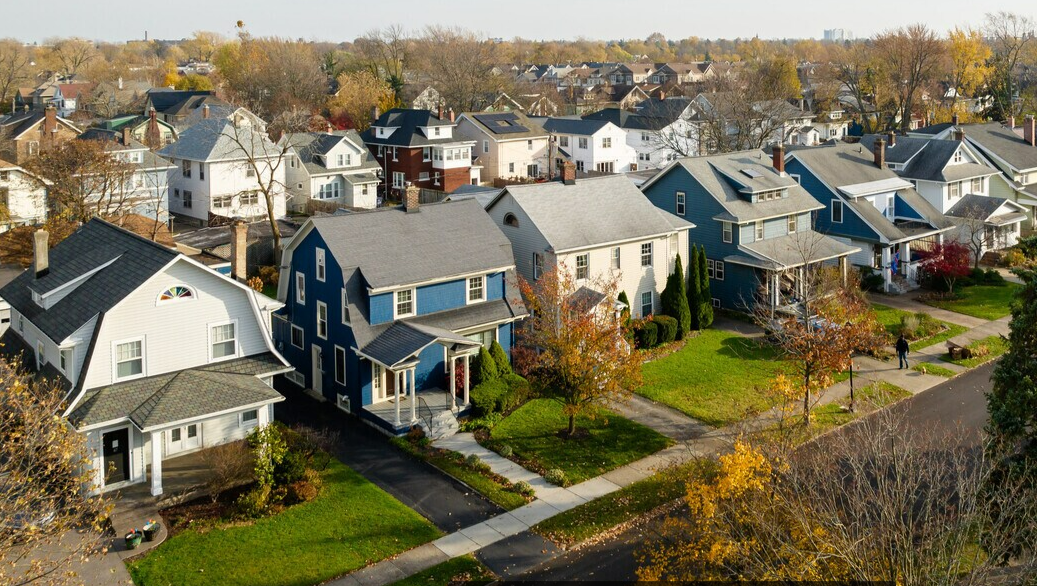
North Buffalo
More residential, quieter, family-oriented, near Delaware Park.
Allentown
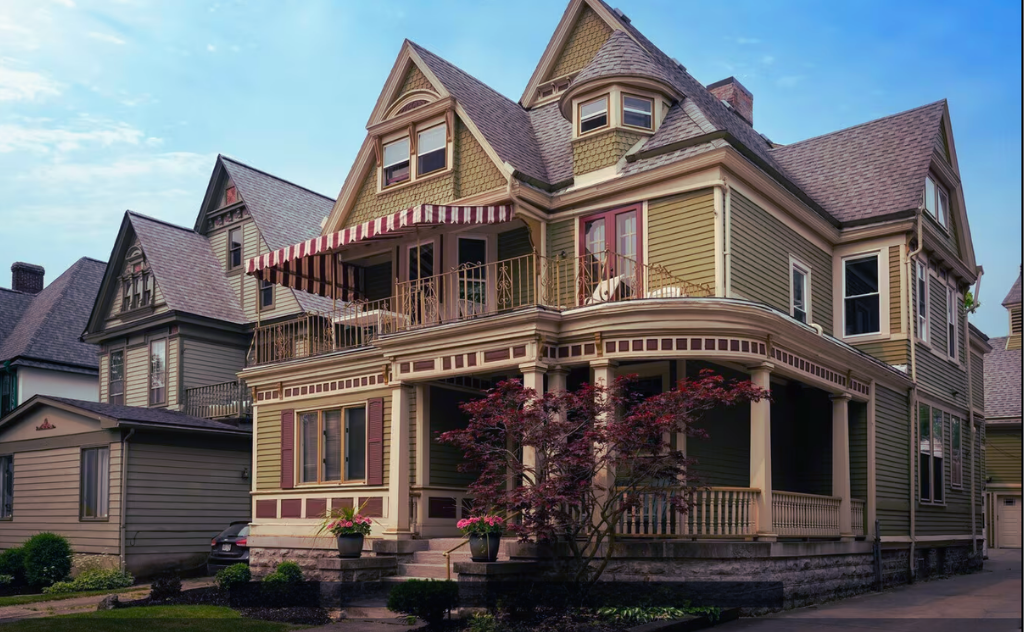
Historic homes, colorful architecture, nightlife, and strong arts culture.
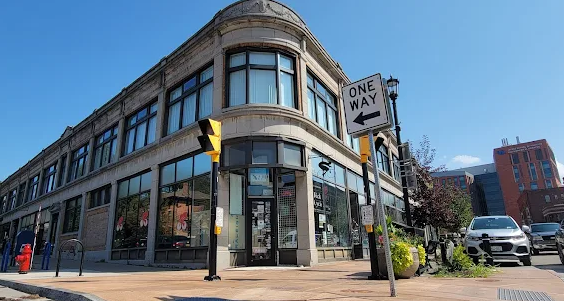
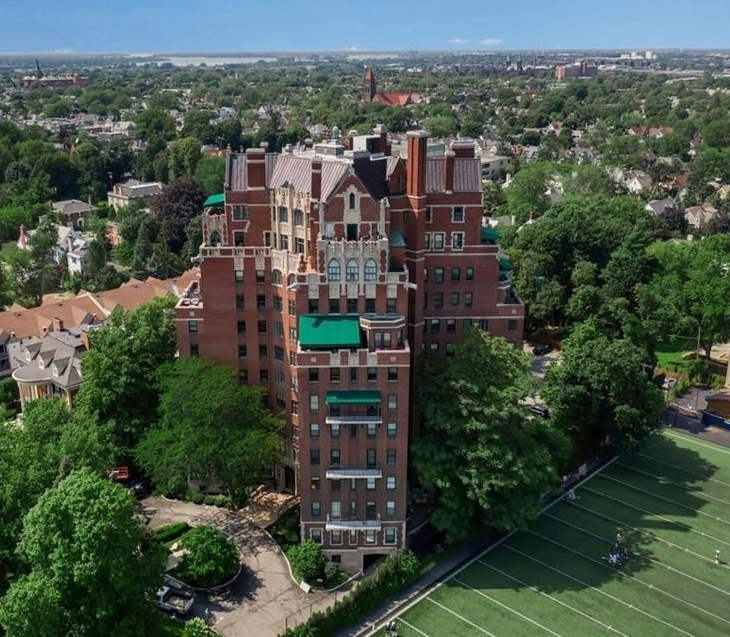
Each neighborhood has its own feel. Exploring them is essential before deciding where to settle.
Explore more at Buffalo Neighborhoods.
You may be interested in:
Best Neighborhoods in Buffalo, NY: Where to Live, Explore, and Call Home
Safest Neighborhoods in Buffalo, NY: Areas Known for Community, Stability, and Livability
Elmwood Village
Walkable. Creative. Café-lined streets.
Popular with young professionals and those who enjoy an urban village atmosphere.
Hertel Avenue Corridor
Entertainment-driven, theaters, local shops, and neighborhood charm.
Buffalo’s Four Seasons: What to Expect
Fall (September–November)
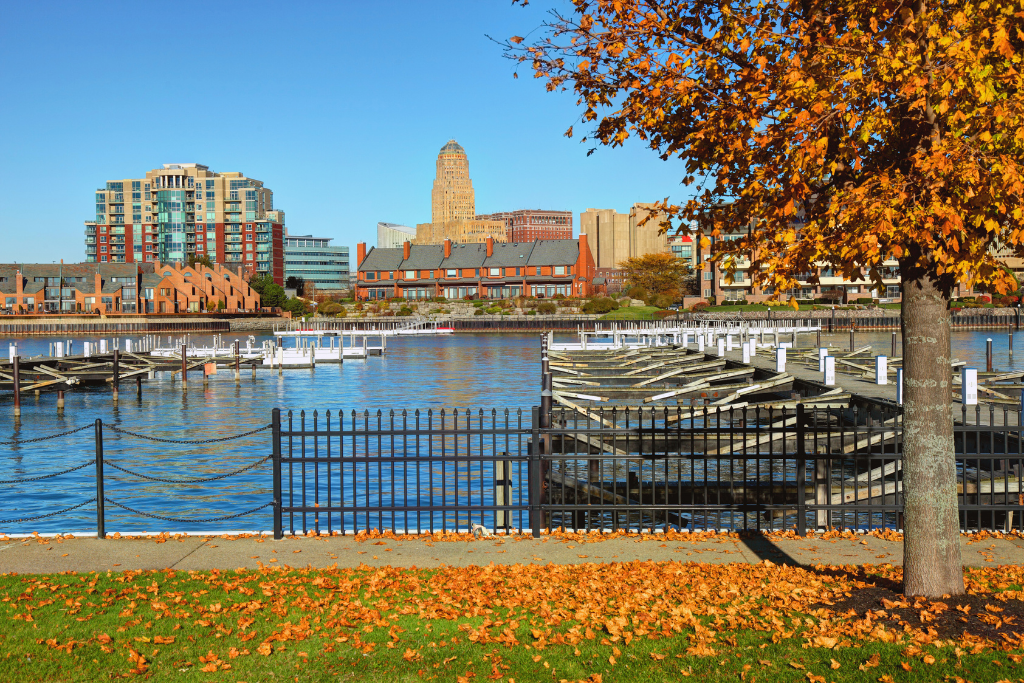
Fall in Buffalo is crisp and vibrant.
Temperatures gradually cool from the mid-70s°F in early September to low 40s°F by November.
Football season, fall festivals, and colorful foliage define this stretch of the year.
Average annual temperature: 48.8°F
Coldest months: January and February
Hottest month: July, averaging 81°F
Winter (December–February)
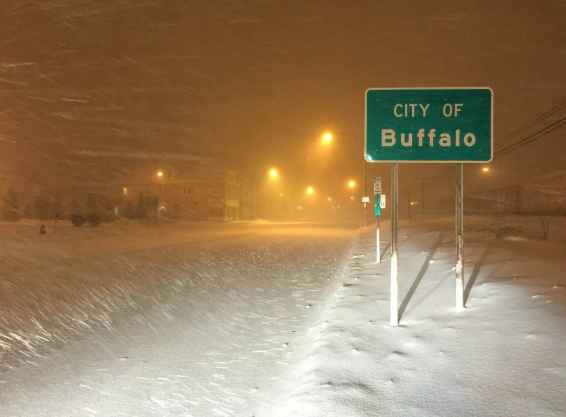
Winter in Buffalo is cold and snow-driven, with average temperatures in the low 20s to low 30s°F and typical lows near 18°F in January and February.
The city averages 85–95 inches of snowfall annually, though lake-effect patterns can push totals higher, particularly south of the city. Measurable snowfall is possible from November into March.
Buffalo is well-equipped for winter conditions, and residents are accustomed to seasonal snow management and cold-weather routines.
Spring (March–May)
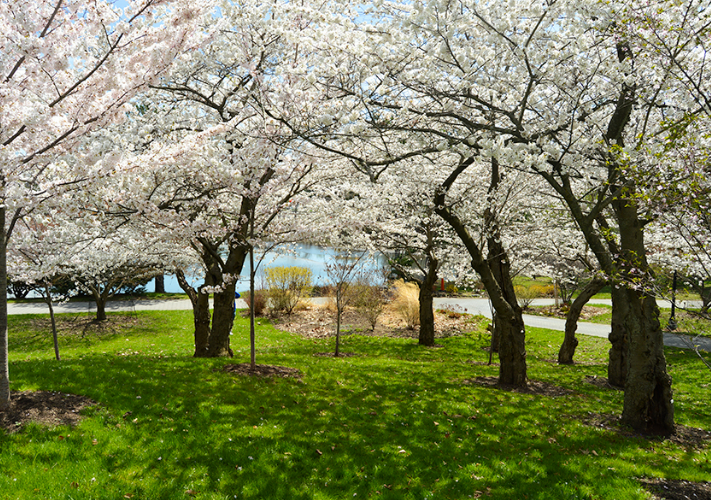
Spring arrives gradually.
Temperatures typically warm from the upper 30s°F in March to near 70°F by late May. Snow becomes less frequent by mid-March, though occasional late-season flurries aren’t unusual.
Waterfront activity begins to return. Patios reopen. The city starts shifting outward.

Summer (June–August)
Summer in Buffalo is often described as underrated.
Average highs range from the upper 70s to low 80s°F, with July averaging around 81°F.
Humidity exists but rarely reaches the oppressive levels found in southern states. Evenings near the lake can feel noticeably cooler.
Festivals, waterfront events, and neighborhood gatherings dominate the calendar during this time.
What Living Through All Four Seasons Means
Living in Buffalo means embracing seasonal change.
Winter preparation is part of homeownership.
Summer brings outdoor living and community events.
Fall and spring transition gradually, shaping daily routines.
The city’s identity is built around adapting — and thriving — in all four seasons.
Job Market & Major Industries
Key sectors include
Healthcare
Education
Financial services
Manufacturing
Technology
Public sector
Buffalo’s economy has grown well beyond its industrial roots. Today, the region’s job market is supported by strong healthcare systems, major universities, financial institutions, and a mix of manufacturing, technology, and professional services.
Healthcare and education remain some of the largest employment sectors, alongside banking, government, and regional corporate headquarters. Employers like M&T Bank, Kaleida Health, and the State of New York provide thousands of jobs across the region.
Recent labor data shows steady growth in the Western New York job market, with private-sector employment increasing by several thousand positions through 2025. Healthcare, education, and professional services continue to lead that growth.
Buffalo may not operate like a fast-paced startup hub, but its combination of established employers, stable industries, and a lower cost of living continues to attract workers and businesses to the region.
Read More:
Best Places to Work in Buffalo, NY: Top Employers & Growing Industries
CLICK HERE TO
Find Jobs in Buffalo, New York
Buffalo Lifestyle: More Than Just Bills Football
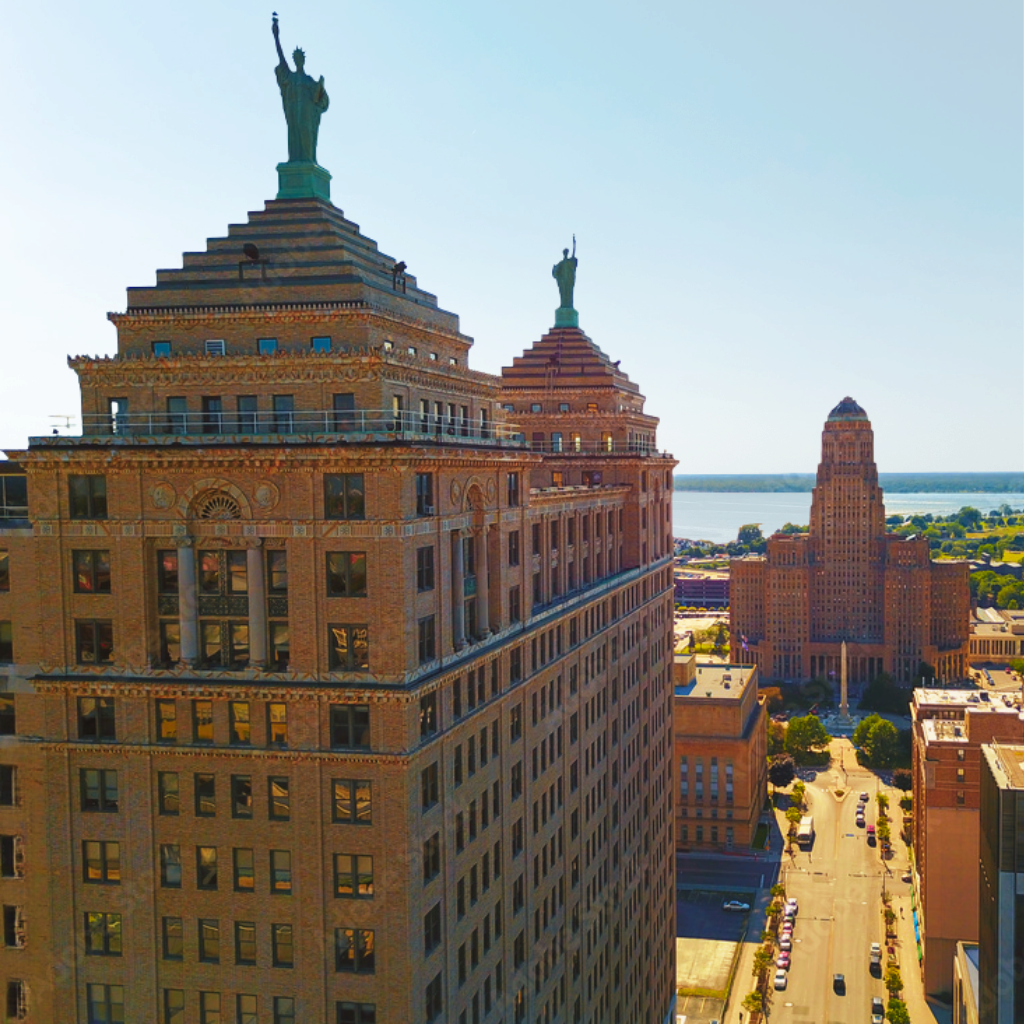
While the Buffalo Bills are deeply woven into the city’s identity, life in Buffalo extends well beyond the stadium.
Residents spend time along the waterfront at Canalside, walk or bike through Delaware Park, gather at independent restaurants and neighborhood coffee shops, and fill historic venues like Shea’s Performing Arts Center. Throughout the year, seasonal festivals and neighborhood events bring people together across the city.
Buffalo supports its own.
Local pride runs deep, and many businesses are still family-owned. Word-of-mouth carries weight here, and community connections remain part of everyday life.
For many residents, that sense of belonging is what defines Buffalo most.

Who Is Buffalo Right For?
Buffalo tends to attract:
Families seeking affordability
Remote workers leaving high-cost cities
Young professionals looking for community
Retirees seeking lower living costs
Entrepreneurs who value smaller-market opportunity
Buffalo isn’t flashy. It’s steady. Authentic. Community-driven.
For the right person, that’s exactly the appeal.
Should You Move to Buffalo?
If you’re looking for:
Affordable housing
Distinct neighborhoods
Walkable local culture
Waterfront access
A city that feels real, not manufactured
Buffalo is worth serious consideration.
It’s a city that has rebuilt itself more than once. And it continues to evolve.
Explore: Making the Move to Buffalo
Pros and Cons of Living in Buffalo
No city is perfect. Buffalo is no exception.
Pros
Affordable housing compared to major Northeast cities
Strong neighborhood identity
Access to waterfront and parks
Short commute times
Four distinct seasons
Cons
Heavy snowfall in winter
A smaller job market compared to major metros
Cold temperatures for extended periods
If you thrive in mild climates year-round, Buffalo may feel challenging. If you appreciate seasonal shifts and don’t mind snow, it becomes part of the character.
Explore More About Living in Buffalo
Ready to go deeper?
Inside Buffalo
Buffalo is layered. The more you explore, the more it reveals.
Go deeper into the people, neighborhoods, and everyday realities that shape life in the Queen City.
Owning in Buffalo
Making the Move to Buffalo
Buffalo Neighborhoods
Culture & Community
Advertise or Get Featured in Buffalo
If you’re a Buffalo business owner, artist, realtor, or community leader, let’s tell your story.