
Owning in Buffalo
Historic Homes, Property Trends & What to Expect

Buffalo’s neighborhoods are defined by their homes.
From early 1900s doubles and stately Victorians to brick colonials and modern waterfront condos, Buffalo’s housing stock reflects more than a century of architectural history. For many residents, owning a home here means becoming part of that story—preserving character while adapting homes to modern life.
Homeownership in Buffalo is shaped by two defining factors: the city’s historic architecture and its four-season climate. Together, they influence everything from housing styles to maintenance expectations and property values.
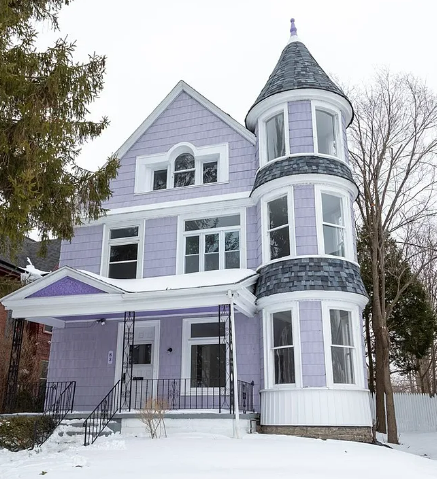
A City of Historic Homes
Much of Buffalo’s residential housing was built between the late 1800s and the early 1900s, when the city was experiencing rapid industrial growth. As a result, many homes feature craftsmanship and design elements that are difficult to replicate today.
Across Buffalo’s neighborhoods, you’ll find:
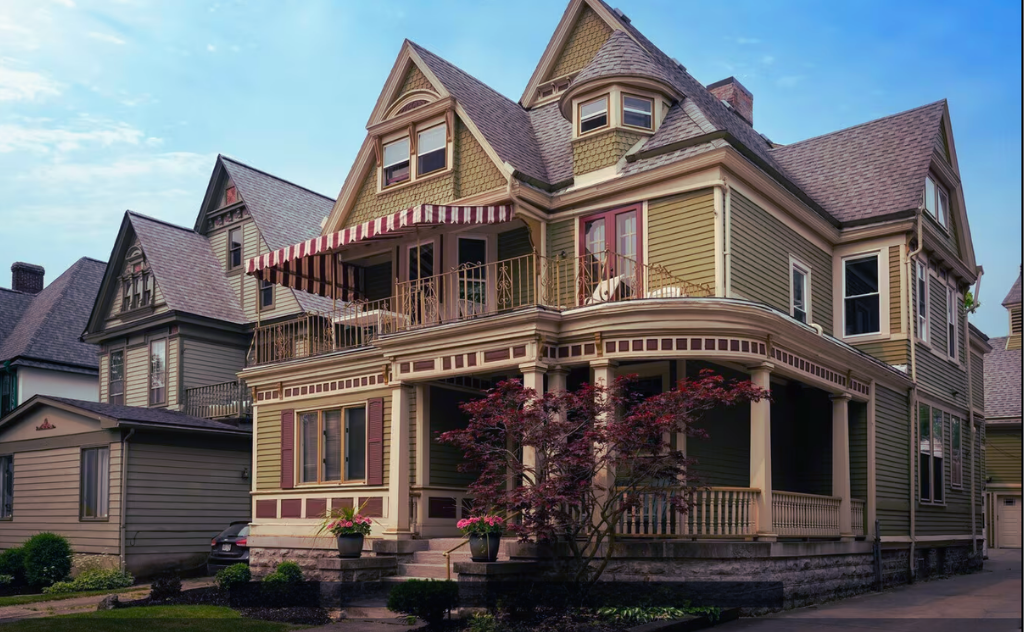
Victorian and Queen Anne homes with ornate woodwork
Craftsman-style houses with wide porches and detailed trim
Classic Buffalo doubles and triples built for multi-family living
Brick colonials and early 20th-century single-family homes
These homes give Buffalo its distinctive streetscape. Tree-lined blocks, front porches, and historic detailing are common throughout neighborhoods like Elmwood Village, North Buffalo, and Allentown.
Owning one of these properties often means maintaining architectural character while updating systems for modern living.
Housing Market Snapshot (Updated February 2026)
As of early 2026:
Median home sale price: approximately $245,000
Average home value: around $232,000
Average time to pending sale: about 17 days
Buffalo’s Housing Market
Buffalo remains one of the more affordable housing markets in the Northeast, though demand has increased significantly in recent years.
As of early 2026:
Median home sale price: approximately $245,000
Average home value: around $232,000
Average time to pending sale: about 17 days
The market has become increasingly competitive, with many homes receiving multiple offers and selling above asking price.
Compared to cities across the Northeast, however, Buffalo still offers a level of housing accessibility that continues to attract first-time buyers, families, and remote workers relocating from higher-cost areas.
Market and climate data last updated: February 2026. As an evergreen resource, figures are reviewed periodically to reflect current conditions.
Neighborhoods Shape the Experience
Where you live in Buffalo can significantly shape your homeownership experience. Some neighborhoods offer walkable commercial districts and historic architecture, while others provide quieter residential streets and proximity to parks.
For example:
Elmwood Village is known for historic homes, cafés, and walkability.
North Buffalo offers residential streets and access to Delaware Park.
Allentown features colorful historic houses and a strong arts scene.
The waterfront and downtown areas offer newer condos and loft living.
Each neighborhood carries its own personality, architecture, and price points.
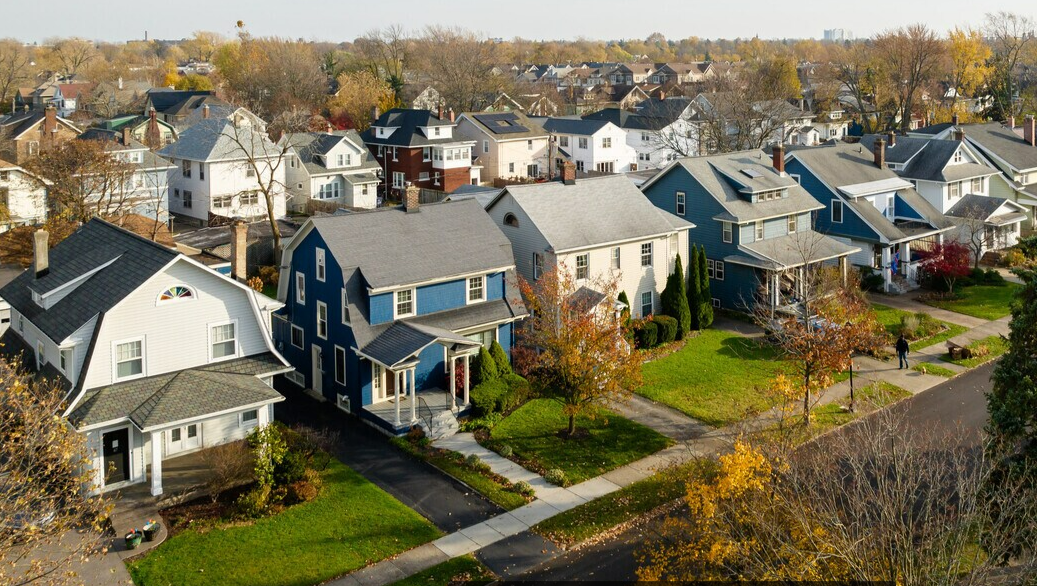
North Buffalo
More residential, quieter, family-oriented, near Delaware Park.
Allentown
Historic homes, colorful architecture, nightlife, and strong arts culture.
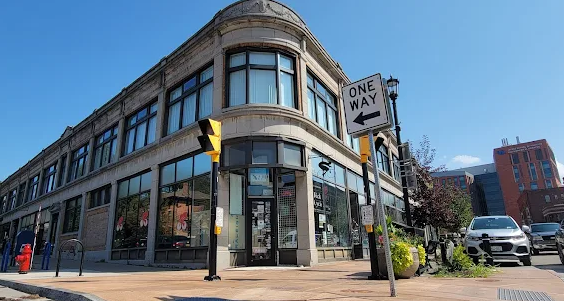
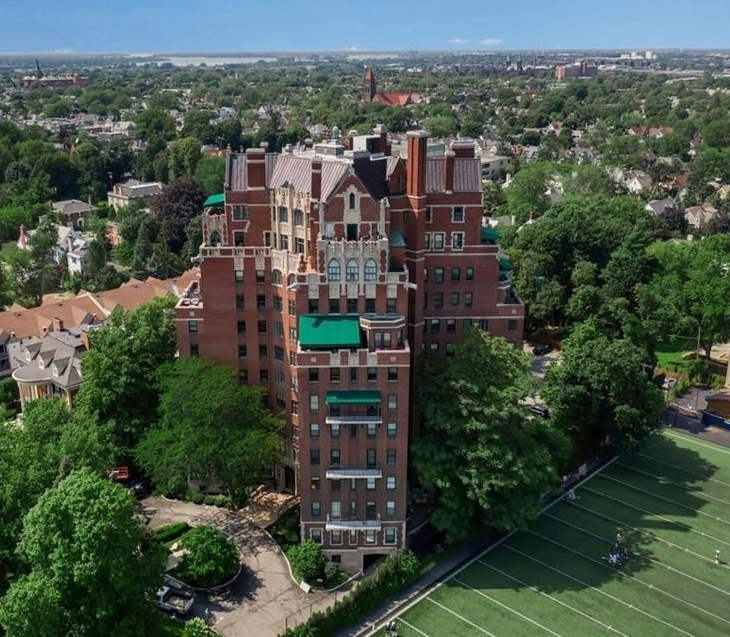
Each neighborhood has its own feel. Exploring them is essential before deciding where to settle.
Elmwood Village
Walkable. Creative. Café-lined streets.
Popular with young professionals and those who enjoy an urban village atmosphere.
Hertel Avenue Corridor
Entertainment-driven, theaters, local shops, and neighborhood charm.
Owning a Home in a Four-Season City
Buffalo’s climate also shapes homeownership in practical ways.
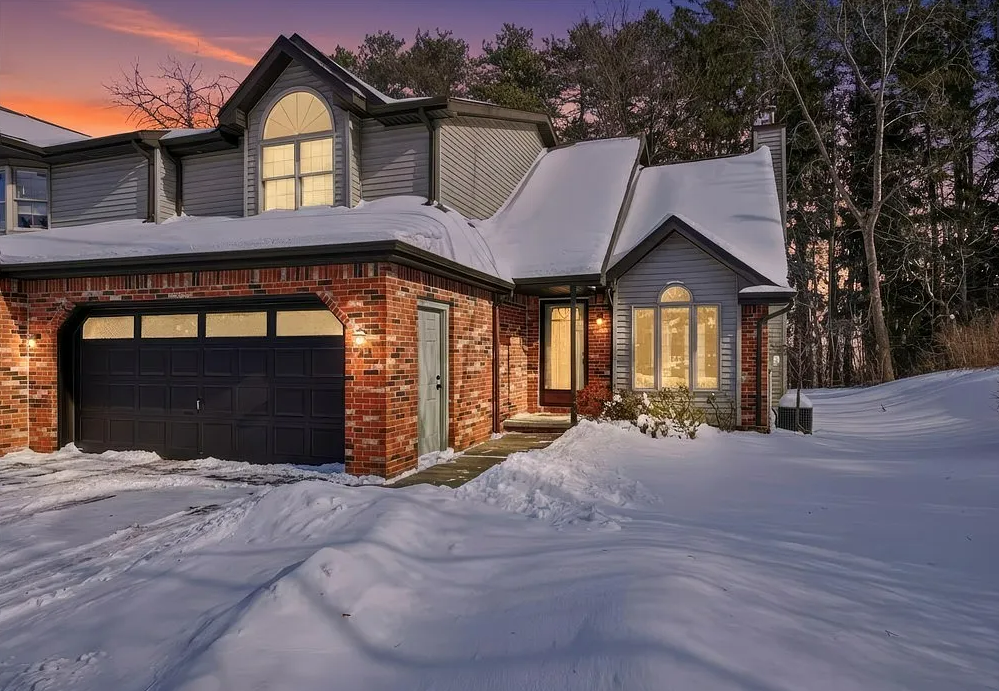
Winter conditions—freezing temperatures, snow accumulation, and lake-effect storms—mean homeowners plan for seasonal preparation.
Typical considerations include:
Heating systems designed for extended cold periods
Roof durability and snow management
Insulation and weather sealing
Seasonal exterior maintenance
These realities are simply part of owning property in a northern city. The upside is that Buffalo homes are often built with these conditions in mind, and residents are accustomed to seasonal upkeep.
Average annual temperature: 48.8°F
Coldest months: January and February
Hottest month: July, averaging 81°F
Seasonal Home Preparation
Buffalo’s long winters make seasonal preparation part of normal homeownership. Many homeowners schedule furnace servicing before winter, check insulation and weather sealing, and prepare outdoor areas for snow and freezing temperatures. These steps help homes stay efficient and protected during extended cold periods.
Roof & Snow Management
Snow accumulation and freeze-thaw cycles mean roof condition matters in Buffalo. Durable roofing materials, proper attic ventilation, and routine inspections help prevent ice dams and winter damage. Clearing heavy snow from driveways, walkways, and around entrances also becomes part of winter home maintenance.
Exterior & Property Upkeep
Buffalo’s seasonal shifts affect exterior materials and landscaping. Homeowners often maintain siding, gutters, and drainage systems while preparing yards and outdoor spaces for changing weather conditions. Regular upkeep helps older homes — which are common throughout Buffalo neighborhoods — remain strong and functional year after year.
Aging Housing Stock
Many Buffalo homes were built between the late 1800s and early 1900s, giving neighborhoods their historic character. With that charm often comes older plumbing, electrical systems, and structural materials that may require periodic updates. Homeowners commonly modernize these systems over time while preserving the architectural details that make Buffalo homes distinctive.
Erie County Property Taxes and Long-Term Value
Like many cities in New York State, Buffalo homeowners pay property taxes based on their home's assessed value and local tax rates.
While taxes can vary by neighborhood and property value, Buffalo remains relatively affordable compared with many Northeastern metropolitan housing markets.
Home values have also risen steadily in recent years, driven by increased demand, population stabilization, and renewed interest in Buffalo’s neighborhoods.
For many buyers, the combination of historic character and comparatively accessible pricing makes Buffalo an attractive long-term investment.

Use Zillow’s Property Tax Calculator (Erie County)


Why People Choose to Own in Buffalo
Homeownership in Buffalo appeals to a wide range of residents. Some are drawn by the city’s historic architecture and neighborhood character. Others value the ability to purchase a home at a price point that would be difficult to find in larger cities. Many residents also appreciate the sense of community that comes with Buffalo’s neighborhood culture. Front porches, local businesses, and block-level connections still play an important role in everyday life here. Owning a home in Buffalo often means becoming part of a neighborhood that values its history while continuing to evolve.
Inside Buffalo: Continue exploring life in the Queen City.
Living in Buffalo Making the Move Buffalo Neighborhoods Culture & Community
Advertise or Get Featured in Buffalo
If you’re a Buffalo business owner, artist, realtor, or community leader, let’s tell your story.