Making the Move
Relocating to Buffalo, New York

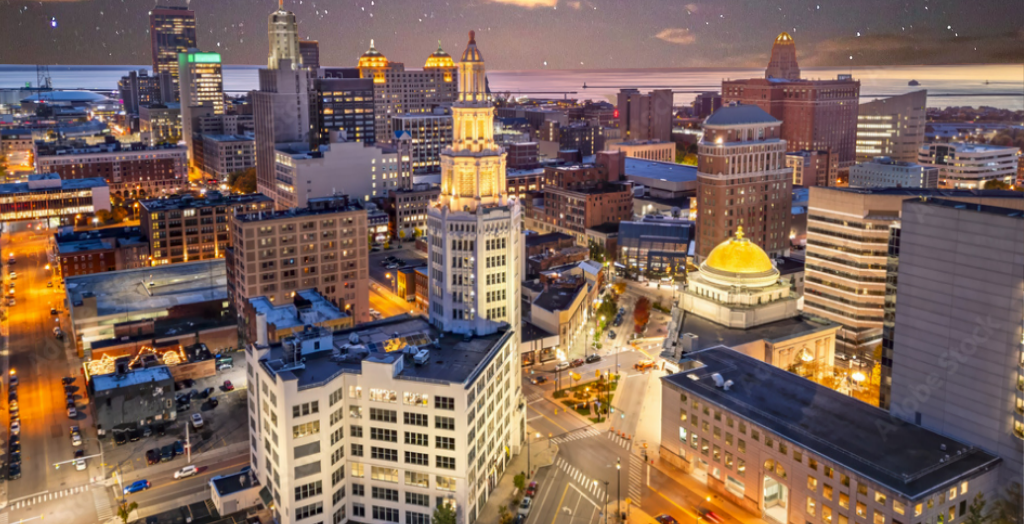
Buffalo isn’t always the first city people think of when planning a move—but for many who arrive, it quickly becomes one of the easiest places to call home.
Located along the eastern shore of Lake Erie, Buffalo combines historic neighborhoods, a revitalized waterfront, and a cost of living that remains refreshingly accessible compared to much of the Northeast. For newcomers relocating from larger cities, the surprise isn’t just the affordability—it’s the character of the city itself.
Buffalo has a rhythm. Neighborhoods have personality. Local pride runs deep. And once people settle in, many discover the city offers something larger metros often lose: a real sense of community.
For anyone considering moving to Buffalo, understanding what daily life here actually looks like—from neighborhoods and schools to winter weather and job opportunities—can help you decide whether the Queen City feels like the right fit.
Why People Are Moving to Buffalo
Buffalo has been getting a second look in recent years, especially as housing costs in larger cities push buyers to explore more affordable options. For many professionals relocating from places like New York City, Boston, or Washington, D.C., Buffalo offers the chance to maintain their careers while significantly lowering their cost of living.
But what people often discover after arriving is that Buffalo offers more than just affordability.
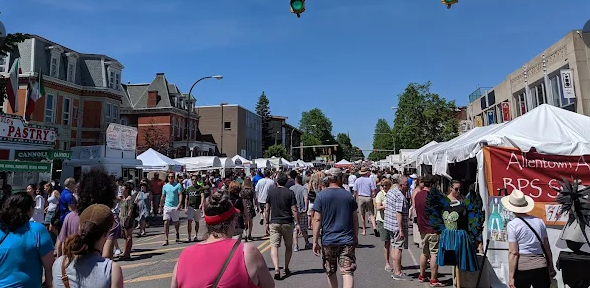
The city strikes a balance that’s becoming harder to find in larger metropolitan areas. Historic neighborhoods filled with early-20th-century homes sit alongside walkable commercial streets lined with independent cafés, restaurants, and small businesses. Parks and waterfront spaces are never far away, and summer weekends often revolve around outdoor festivals, farmers markets, or a walk along Lake Erie.
Daily life here tends to feel a little more manageable. Commutes are shorter. Homeownership is still attainable for many buyers. Neighborhoods maintain strong identities, and local businesses remain central to community life.
For many newcomers, the shift becomes clear in everyday moments: walking to a neighborhood coffee shop on a Saturday morning, spending summer evenings along the waterfront, or meeting friends at a local restaurant that’s been part of the neighborhood for decades. It’s the kind of city where routines settle in quickly—and where many people discover that a slower pace doesn’t mean sacrificing opportunity.
Choosing the Right Neighborhood
Buffalo isn’t a city with one “best” neighborhood. Instead, it’s a collection of communities, each with its own personality and pace.
Areas Families Often Consider
Families relocating to the Buffalo area often prioritize proximity to parks, playgrounds, and strong school districts.
Neighborhoods such as North Buffalo are known for their residential streets and access to Delaware Park, one of the largest green spaces in the city. Many families appreciate the quieter blocks, historic homes, and community feel.
Outside the city limits, several nearby suburbs are widely recognized for highly rated public schools, including:
Williamsville
Clarence
Amherst
East Aurora
Grand Island
These districts consistently rank among the strongest in Western New York for academic performance and graduation rates.
Where Professionals Often Choose to Live
Young professionals and remote workers often look for neighborhoods that combine historic charm with walkability.
Areas such as:
Elmwood Village
Allentown
Parkside
Downtown Buffalo
offer cafés, restaurants, and independent businesses within walking distance. Elmwood Village, in particular, has become known for its vibrant local business corridor and neighborhood culture.
These areas appeal to residents who enjoy stepping out for a morning coffee, meeting friends after work, or exploring Buffalo’s arts and dining scene without driving across town.
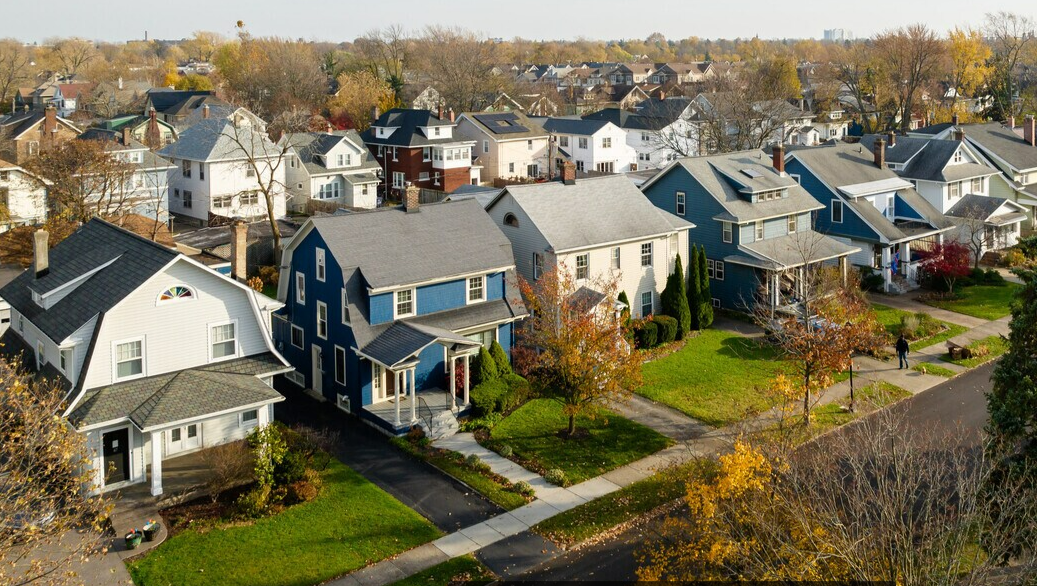
More residential, quieter, family-oriented, near Delaware Park.
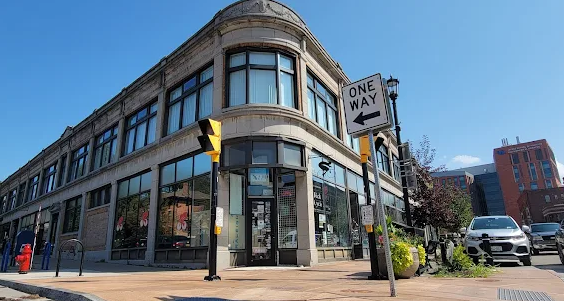
Historic homes, colorful architecture, nightlife, and strong arts culture.
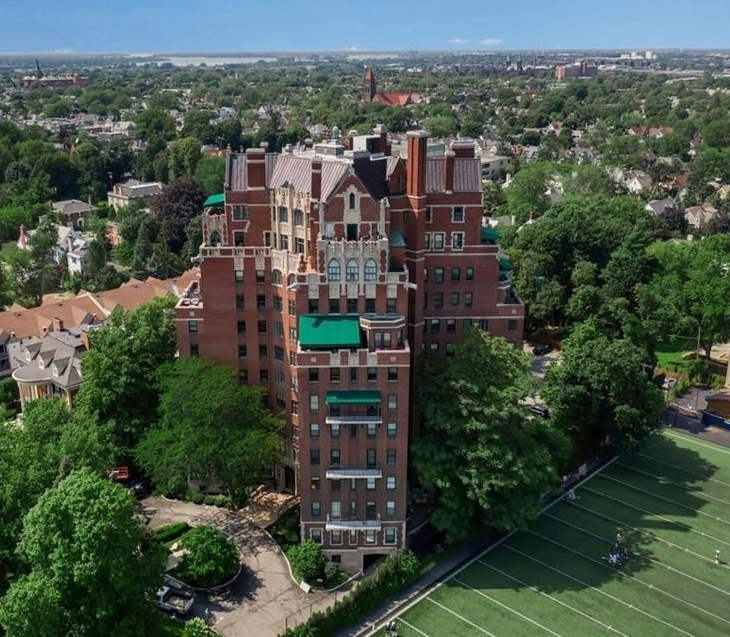
Walkable. Creative. Café-lined streets.
Popular with young professionals and those who enjoy an urban village atmosphere.
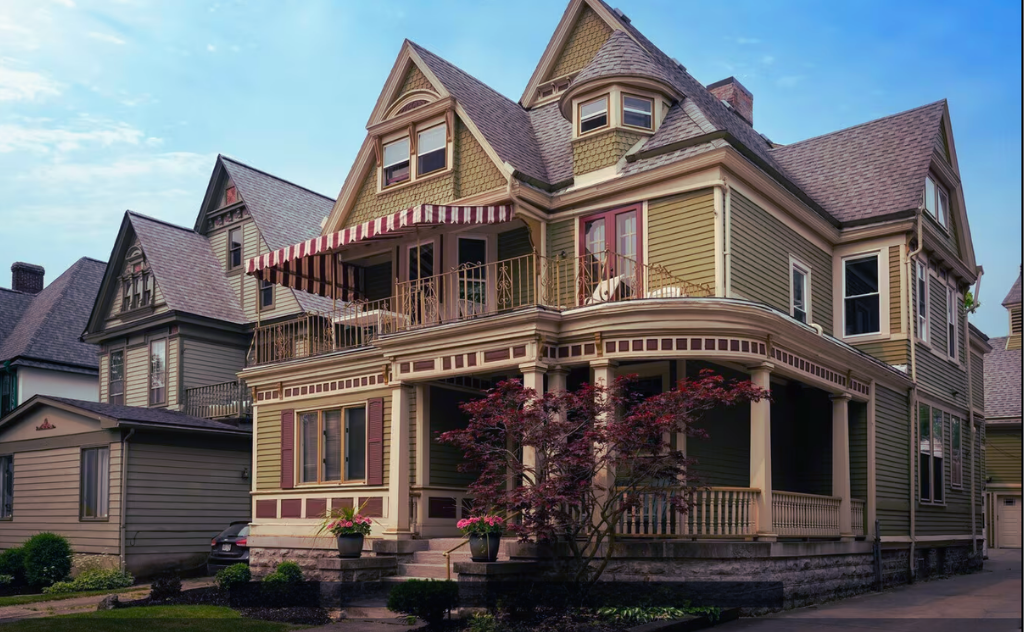
Entertainment-driven, theaters, local shops, and neighborhood charm.
Each neighborhood has its own feel. Exploring them is essential before deciding where to settle.
Read More:
Safest Neighborhoods in Buffalo, NY: Areas Known for Community, Stability, and Livability
Best Neighborhoods in Buffalo, NY: Where to Live, Explore, and Call Home
Buffalo Winters:
What it Means for Work and School
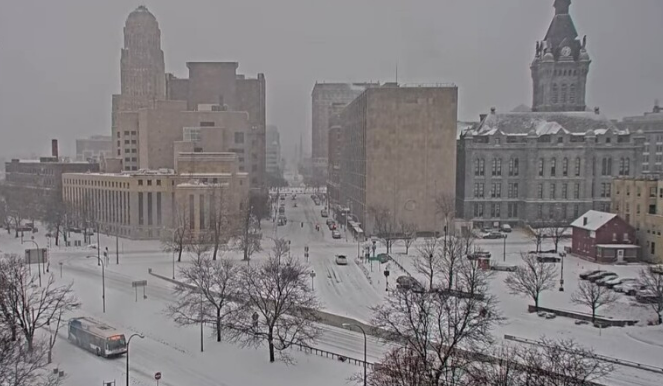
Buffalo’s winters are famous, but daily life doesn’t stop when snow arrives.
The city averages about 85–95 inches of snowfall each year, largely influenced by lake-effect snow from Lake Erie. Despite those totals, Buffalo is well-equipped for winter conditions. Snow removal infrastructure is robust, and residents are accustomed to continuing their daily routines during the colder months.
Schools and workplaces rarely close for typical snowstorms. While snow days do occur during severe lake-effect events, they are less common than many newcomers expect. Most of the time, roads are cleared quickly, and life continues as usual.
For longtime residents, winter simply becomes part of the city's seasonal rhythm.
Average annual temperature: 48.8°F
Coldest months: January and February
Hottest month: July, averaging 81°F
The Buffalo Job Market
Whether you're considering a move to Buffalo with a remote job already in place or planning to look for work after you arrive, the region offers a stable and diverse employment landscape.
Buffalo’s economy today is supported by major healthcare systems, universities, financial institutions, and long-established companies across Western New York. In recent years, the local job market has continued to grow, particularly in healthcare, education, and professional services.
For many professionals, Buffalo offers something increasingly rare in larger metropolitan areas—a place where career opportunities exist alongside a cost of living that still makes homeownership and everyday life attainable.
Where People Work in Buffalo
New residents arrive in Buffalo through many different paths.
Some relocate with remote jobs and quickly discover a city where housing is attainable and commutes are optional.
Others move for careers in healthcare, education, banking, or research tied to the region’s major institutions.
Entrepreneurs and small business owners are also drawn to Buffalo’s supportive local economy and lower startup costs compared to larger cities.
Whatever the path, Buffalo offers a mix of stability and opportunity that continues to attract professionals looking for a long-term footing.
Read More:
Best Places to Work in Buffalo

Safety and Crime Considerations
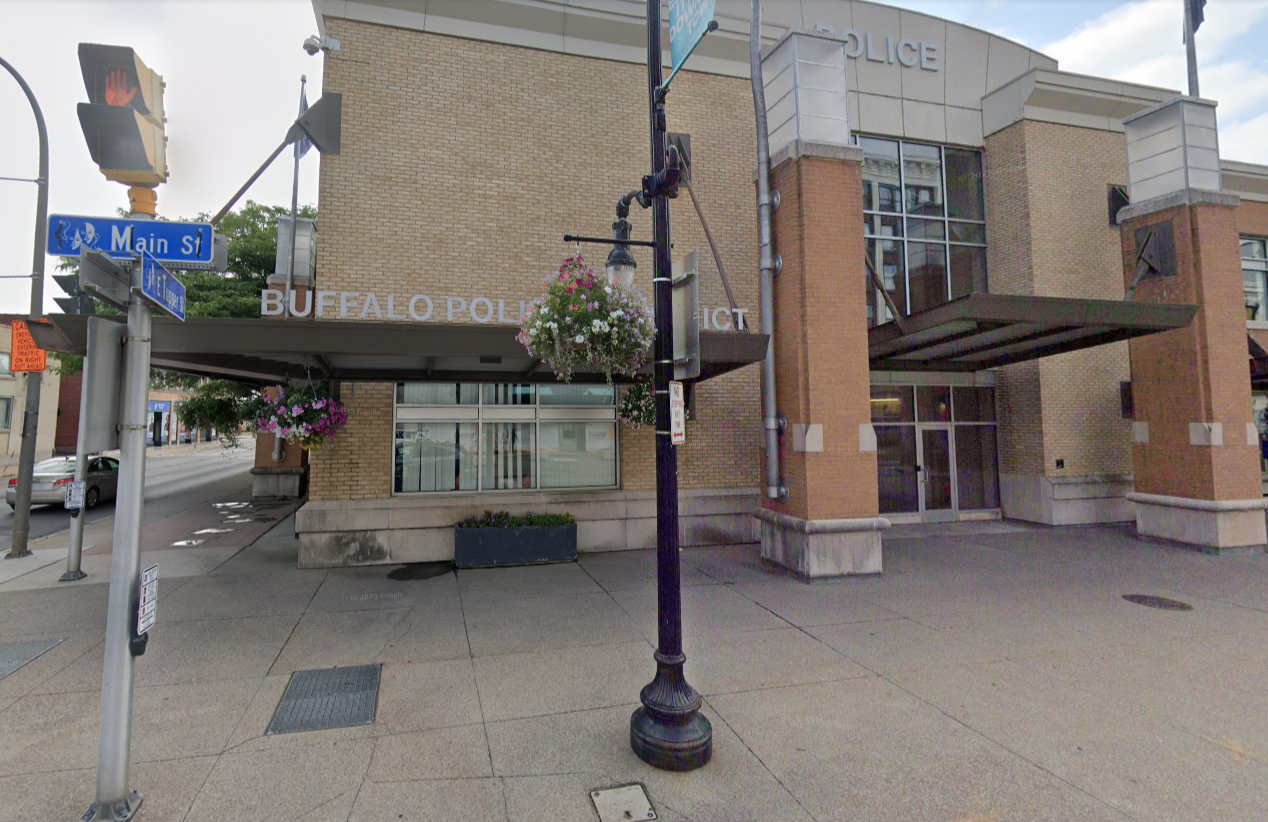
Like most cities, safety in Buffalo varies by neighborhood. Some areas experience higher crime rates, while others remain stable residential communities.
Many homebuyers research neighborhood crime data and compare it with national averages before deciding where to live. Nearby suburbs such as Williamsville and Orchard Park are often considered among the safer communities in the region, while several city neighborhoods are also known for their stability and strong community presence.
For newcomers, understanding Buffalo’s neighborhood geography is an important part of choosing the right place to live.
Who Buffalo Is Perfect For
Buffalo tends to attract people looking for something different from the pace of larger cities.
The city is often a great fit for:
Families seeking affordable homeownership
Remote workers leaving high-cost metro areas
Young professionals who value walkable neighborhoods
People who appreciate historic architecture and neighborhood character
Buffalo may be less appealing for those seeking a fast-paced corporate environment or year-round warm weather.
For the right person, however, Buffalo offers something many cities no longer do—a strong sense of place.
Pros and Cons of Moving to Buffalo
Every city has trade-offs, and Buffalo is no exception. Understanding both sides helps newcomers set realistic expectations. For many residents, Buffalo’s affordability and community culture outweigh perceived challenges.
Inside Buffalo
Continue exploring life in the Queen City.
Living in Buffalo Owning in Buffalo Buffalo Neighborhoods Culture & Community
Pros
Affordable housing compared to Northeast cities
Distinct neighborhoods with strong local identity
Access to parks, waterfront, and outdoor recreation
Shorter commute times than in larger metro areas
Strong community culture and local pride
Considerations
Long winter season with significant snowfall
Smaller job market than major U.S. metros
Neighborhood differences that require careful research
Advertise or Get Featured in Buffalo
If you’re a Buffalo business owner, artist, realtor, or community leader, let’s tell your story.