Best Neighborhoods in Buffalo, NY: Where to Live, Explore, and Call Home
Best Neighborhoods in Buffalo

Buffalo is often described as a city of neighborhoods. Rather than a single central district defining the city’s identity, Buffalo is shaped by distinct areas—each with its own architecture, local businesses, and community character.
Some neighborhoods are known for historic homes and tree-lined streets. Others are defined by arts scenes, nightlife, or walkable commercial corridors. Together, they create a city where residents often feel a strong connection not just to Buffalo itself, but to the neighborhood they call home.
For newcomers, understanding Buffalo’s neighborhoods is one of the best ways to get to know the city.
Below are several neighborhoods that consistently stand out for their culture, livability, and sense of community.
Elmwood Village
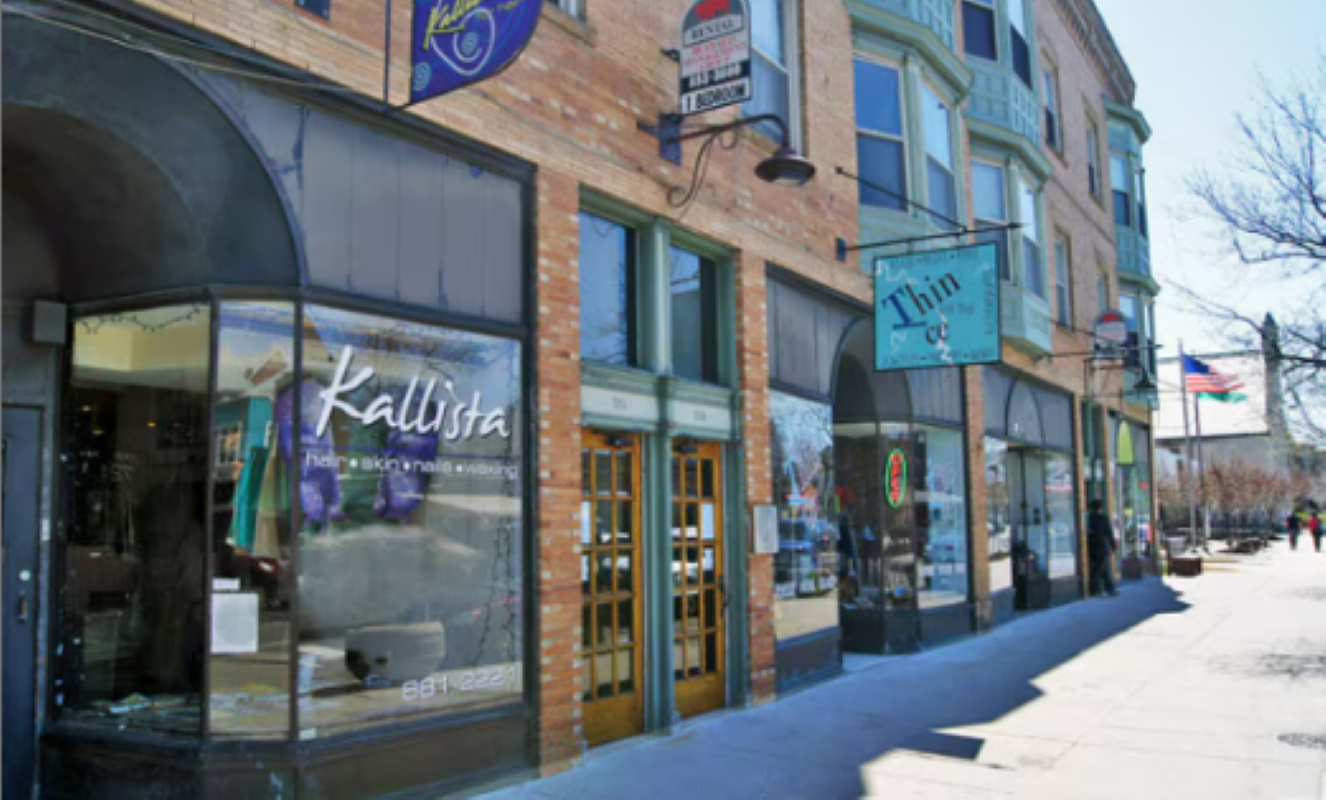
Elmwood Village is one of Buffalo’s most recognizable neighborhoods and often serves as an introduction to the city for visitors and new residents.
Centered along Elmwood Avenue, the neighborhood is known for its walkable streets, independent businesses, and historic homes. Cafés, bookstores, galleries, and locally owned restaurants line the avenue, creating a lively atmosphere throughout the day.
Elmwood Village also borders Delaware Park, one of Buffalo’s largest and most historic park systems, giving residents easy access to green space and outdoor recreation.
Many homes in the neighborhood date to the late 19th and early 20th centuries, reflecting Buffalo’s historic architecture and craftsmanship.
Explore more:
Elmwood Village Buffalo: Walkable Streets, Historic Homes, and Local Culture
North Buffalo
North Buffalo offers a different pace from the city’s downtown districts. Known for its residential character and strong neighborhood identity, it has long been a favorite among families and long-time residents.
The area includes several sub-neighborhoods such as Parkside, Central Park, North Park, and University Heights. Many homes were built in the early 20th century and feature classic Buffalo architecture, including front porches, brick facades, and tree-lined streets.
Hertel Avenue serves as the neighborhood’s central commercial corridor, lined with restaurants, bakeries, shops, and the historic North Park Theatre.
Explore more:
North Buffalo Neighborhood: Hertel Avenue, Parkside, and the Heart of Buffalo Living
Allentown
Allentown is Buffalo’s historic arts district and one of the city’s most architecturally distinctive neighborhoods.
Victorian-era homes and historic buildings line many streets, giving the area a strong sense of history. At the same time, Allentown remains one of Buffalo’s most active cultural hubs.
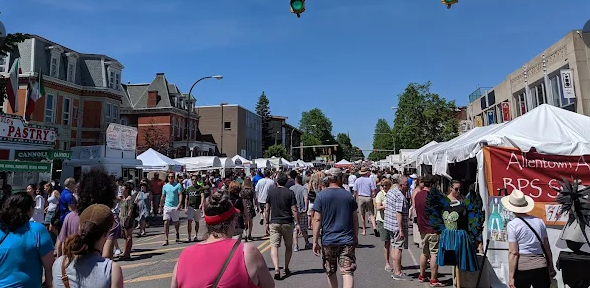
Art galleries, music venues, coffee shops, and independent restaurants are woven throughout the neighborhood. The annual Allentown Art Festival draws visitors from across the region each year and highlights the neighborhood’s longstanding role in Buffalo’s creative community.
Explore more:
Allentown Buffalo: Historic Architecture, Arts, and Nightlife in the Queen City
Hertel Avenue District
Hertel Avenue is less a single neighborhood and more a vibrant district that anchors much of North Buffalo’s local culture.
The avenue is lined with restaurants, Italian bakeries, boutique shops, and neighborhood bars that have served the community for generations. The historic North Park Theatre remains one of Buffalo’s most beloved landmarks.
Hertel Avenue is also known for seasonal festivals and events that bring the community together throughout the year.
Explore more:
Hertel Avenue Buffalo: Restaurants, Shops, and the Heart of North Buffalo
Parkside
Parkside sits just east of Delaware Park and is one of Buffalo’s most architecturally significant neighborhoods. Many homes here were designed in the late 1800s and early 1900s, including properties influenced by Frank Lloyd Wright and other notable architects.
Wide boulevards, historic homes, and proximity to the Buffalo Zoo and Delaware Park make Parkside a unique blend of residential quiet and cultural access.
Why Neighborhood Identity Matters in Buffalo
In many cities, neighborhoods are simply geographic boundaries. In Buffalo, they often feel like communities of their own.
Local businesses serve as gathering places, neighborhood events bring residents together, and many families remain in the same area for generations.
This strong neighborhood identity is part of what makes Buffalo feel both like a city and a collection of smaller communities.
Exploring Buffalo’s Neighborhoods
For anyone considering living in Buffalo or relocating to Western New York, exploring the city’s neighborhoods is one of the best ways to understand what daily life here can look like.
Each neighborhood offers its own balance of walkability, architecture, culture, and community life.
Metropolitan Unlimited - Buffalo will continue exploring Buffalo’s neighborhoods in greater detail, highlighting the people, businesses, and spaces that give each part of the city its character.
Related Reading
Living in Buffalo
Moving to Buffalo
Buffalo Lifestyle
Buffalo Housing Market