Safest Neighborhoods in Buffalo, NY: Areas Known for Community, Stability, and Livability
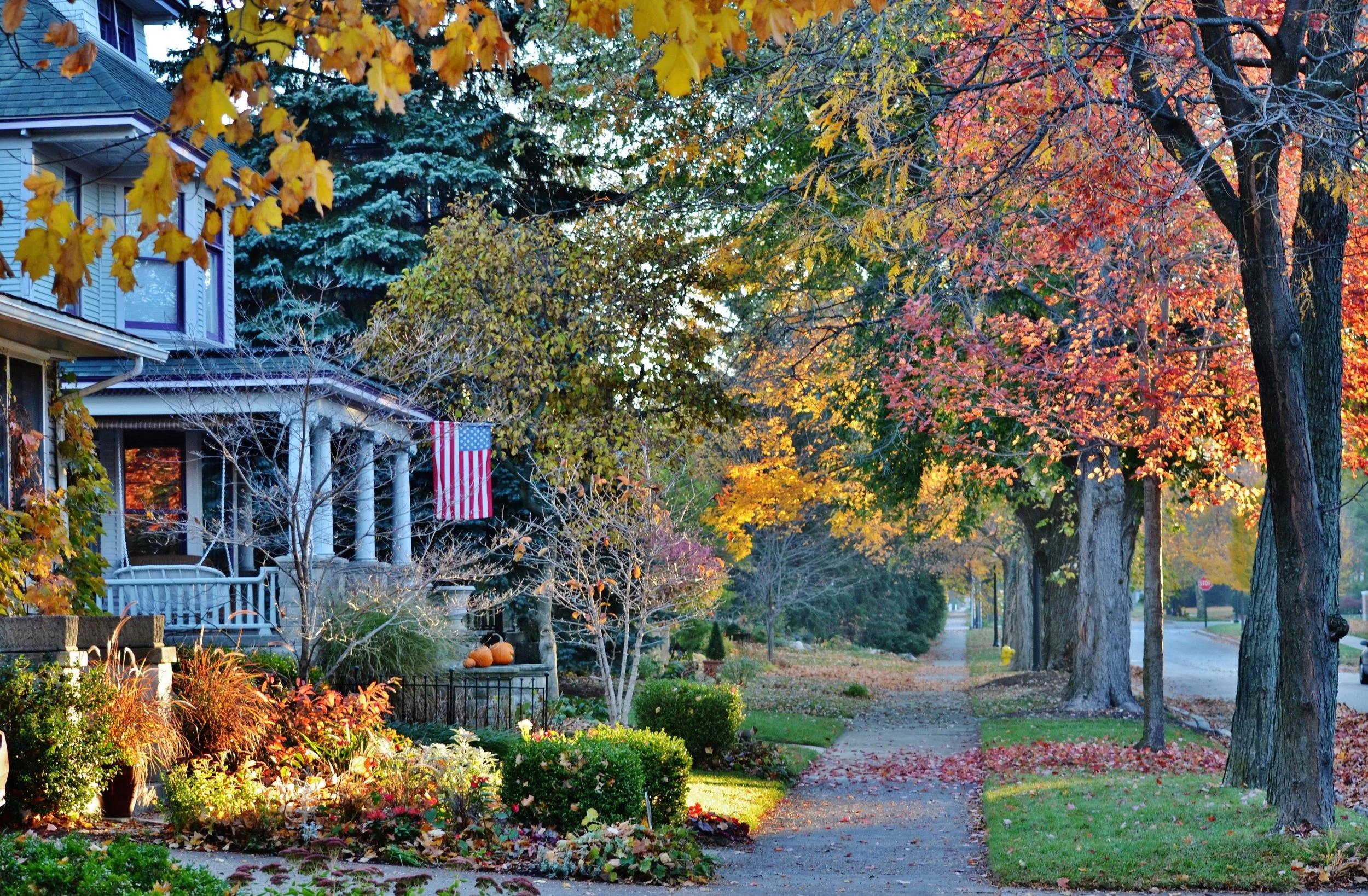
Safest Neighborhoods in Buffalo

Safety is one of the first things people research when deciding where to live. In Buffalo—as in most cities—the experience can vary significantly by neighborhood.
Some parts of the city consistently rank higher for residential stability, community involvement, and lower crime compared to the city average. Many of these areas are located in northern and western sections of Buffalo, where long-established neighborhoods, historic homes, and strong community networks contribute to overall livability.
While no neighborhood is completely immune from crime, several areas are widely recognized for being safer than the Buffalo city average and for maintaining strong residential environments.
Is Buffalo a Safe Place to Live?
Like most mid-sized American cities, Buffalo’s safety varies by neighborhood. While some areas experience higher activity levels, many residential neighborhoods are considered safer than the city average and maintain strong community involvement.
Neighborhoods in northern and western Buffalo often rank higher for residential stability and livability. Areas such as Park Meadow, Parkside, and North Buffalo are commonly cited for their established communities, historic homes, and long-term residents.
For many people relocating to Western New York, Buffalo offers a mix of urban living and neighborhood identity that can vary significantly depending on where you choose to live.
Neighborhoods in Buffalo Known for Higher Safety Rankings
Park Meadow
Park Meadow is frequently cited as one of Buffalo’s safest residential areas. Some analyses estimate the neighborhood to be approximately 73% safer than the city average, making it one of the more stable areas within Buffalo’s city limits.
The neighborhood is known for:
Historic homes, including Tudor and Victorian styles
Quiet residential streets
Proximity to Delaware Park
Access to nearby schools and cultural institutions
Its combination of historic housing and strong community presence continues to attract families and professionals looking for a quieter residential environment within the city.
Elmwood Village
Elmwood Village is one of Buffalo’s most recognizable neighborhoods and consistently ranks among the city’s most desirable places to live.
Crime analyses suggest the neighborhood is safer than roughly 70% of cities across New York State, which contributes to its popularity among homeowners and renters alike.
The neighborhood is known for:
Walkable streets and local businesses
Community events like Porchfest and the Elmwood Farmers Market
Access to Buffalo State University and cultural institutions
A strong local business community
Elmwood Village combines an active commercial district with established residential streets, creating a neighborhood that feels both lively and community-focused.
North Buffalo
North Buffalo is widely considered one of the most stable residential areas in Buffalo.
The neighborhood includes several smaller communities such as Parkside, Central Park, North Park, and University Heights, many of which feature early-20th-century homes and tree-lined streets.
The Hertel Avenue corridor serves as the neighborhood’s social and commercial center, lined with restaurants, bakeries, and locally owned shops.
Strong community involvement and long-term homeowners help maintain the neighborhood’s reputation as one of Buffalo’s safer and more family-friendly areas.
Parkside
Located along the edge of Delaware Park, Parkside is known for its historic homes, wide boulevards, and architectural significance.
The neighborhood’s design was influenced by the park system created by landscape architect Frederick Law Olmsted, which contributes to its open, residential feel.
Parkside’s combination of historic architecture, park access, and community engagement has helped maintain its reputation as one of Buffalo’s more stable residential neighborhoods.
Waterfront Village
Waterfront Village represents one of Buffalo’s newer residential developments along Lake Erie.
The neighborhood features modern housing, lower population density, and proximity to Buffalo’s revitalized waterfront.
Because of its planned residential design and newer construction, the area is often viewed as one of the city’s more secure residential environments.
Safer Suburbs Near Buffalo
For people considering the broader Buffalo metro area, several nearby suburbs are widely recognized for strong safety rankings and community stability.
These include:
East Aurora
Clarence
Lewiston
Orchard Park
These communities offer a quieter suburban environment while still providing access to Buffalo’s employment centers and cultural attractions.
How to Evaluate Neighborhood Safety When Moving to Buffalo
Safety is rarely determined by a single statistic. Many Buffalo residents evaluate neighborhoods based on several factors including:
Neighborhood stability and long-term homeowners
Active neighborhood associations
Access to parks and community spaces
Walkable commercial corridors
Local schools and nearby amenities
Spending time exploring neighborhoods in person, speaking with residents, and reviewing current housing trends can often provide a clearer picture of daily life than crime statistics alone.
Understanding Safety in Buffalo
Buffalo is made up of more than 30 distinct neighborhoods, each with its own character and community dynamics.
Neighborhood safety often reflects factors such as:
Long-term homeownership
Active neighborhood associations
Access to parks and public spaces
Walkable commercial corridors
Stable housing markets
For people considering relocating to Buffalo, exploring neighborhoods firsthand and reviewing local data can provide the clearest picture of what daily life in each area looks like.
Related Reading
Living in Buffalo
Best Neighborhoods in Buffalo
Moving to Buffalo
Buffalo Lifestyle