Winterizing a Home in Buffalo: Preparing Older Homes for Snow, Ice, and Freezing Temperatures
Winterizing a Home in Buffalo

Winter in Buffalo isn’t a surprise — it’s a season residents prepare for. With lake-effect snow from Lake Erie and temperatures that regularly drop below freezing, homeowners across Western New York take steps each fall to protect their homes before winter fully arrives.
For many houses in Buffalo — particularly the historic homes built in the late 1800s and early 1900s — winter preparation is an essential part of long-term maintenance. These homes were built to handle harsh weather, but modern homeowners still need to make sure systems, insulation, and exterior structures are ready for months of cold and snow.
Understanding how to winterize a home in Buffalo helps prevent damage, improve energy efficiency, and make winter more comfortable inside.
Buffalo Winters: What Homes Must Withstand
Buffalo averages 85 to 95 inches of snowfall each year, though totals can vary significantly depending on lake-effect patterns. In heavier winters, snowfall can climb well above that average, especially in areas south of the city.
Cold air moving across Lake Erie creates intense snow bands that can drop large amounts of snow in a short period of time. These lake-effect events are a defining feature of Buffalo winters.
Typical winter conditions include:
Temperatures often below freezing from December through February
Frequent snow accumulation
Periods of heavy lake-effect snowfall
Freeze-thaw cycles that affect roofs, foundations, and gutters
Because of this climate, homes in Buffalo must be prepared to handle extended cold weather and substantial snow loads.
Protecting Roofs from Snow and Ice
Roof maintenance is one of the most important aspects of winter preparation in Buffalo.
Heavy snow accumulation can place significant weight on roofs, particularly older structures. While most Buffalo homes are built to handle snow loads, it’s still important to ensure roofs are in good condition before winter begins.
Homeowners commonly check for:
Loose or damaged shingles
Weak flashing around chimneys and vents
Blocked gutters that could trap melting snow
Ice dams are another common winter issue. These occur when melting snow refreezes along the edge of a roof, preventing proper drainage. Over time, ice dams can allow water to seep under shingles and into the home.
Proper attic insulation and ventilation are key factors in preventing ice dam formation.
Heating Systems Built for Buffalo Winters
Heating systems work harder in Buffalo than in many other parts of the country.
Most homes rely on furnaces or boiler systems designed to operate through long stretches of cold weather. Because heating systems run consistently during winter, annual servicing is considered standard practice before temperatures drop.
Common winter preparation steps include:
Inspecting furnaces or boilers
Replacing filters
Checking thermostats and controls
Ensuring vents and radiators function properly
A properly maintained heating system improves energy efficiency and reduces the likelihood of mid-winter breakdowns.
Preventing Frozen Pipes
Frozen pipes are one of the most common winter risks for homes in cold climates.
When temperatures drop significantly below freezing, water inside pipes can freeze and expand, potentially causing pipes to burst.
Buffalo homeowners often reduce this risk by:
Insulating exposed pipes in basements and crawl spaces
Sealing air leaks near plumbing lines
Maintaining consistent indoor temperatures during cold spells
Older homes, which may have less insulation around plumbing, often require additional attention.
Windows, Drafts, and Insulation in Older Homes
Many homes in Buffalo were built decades before modern energy standards existed. While these homes are known for craftsmanship and architectural character, they can also be prone to drafts and heat loss.
Winter preparation often includes improving insulation and sealing areas where cold air may enter.
Common upgrades include:
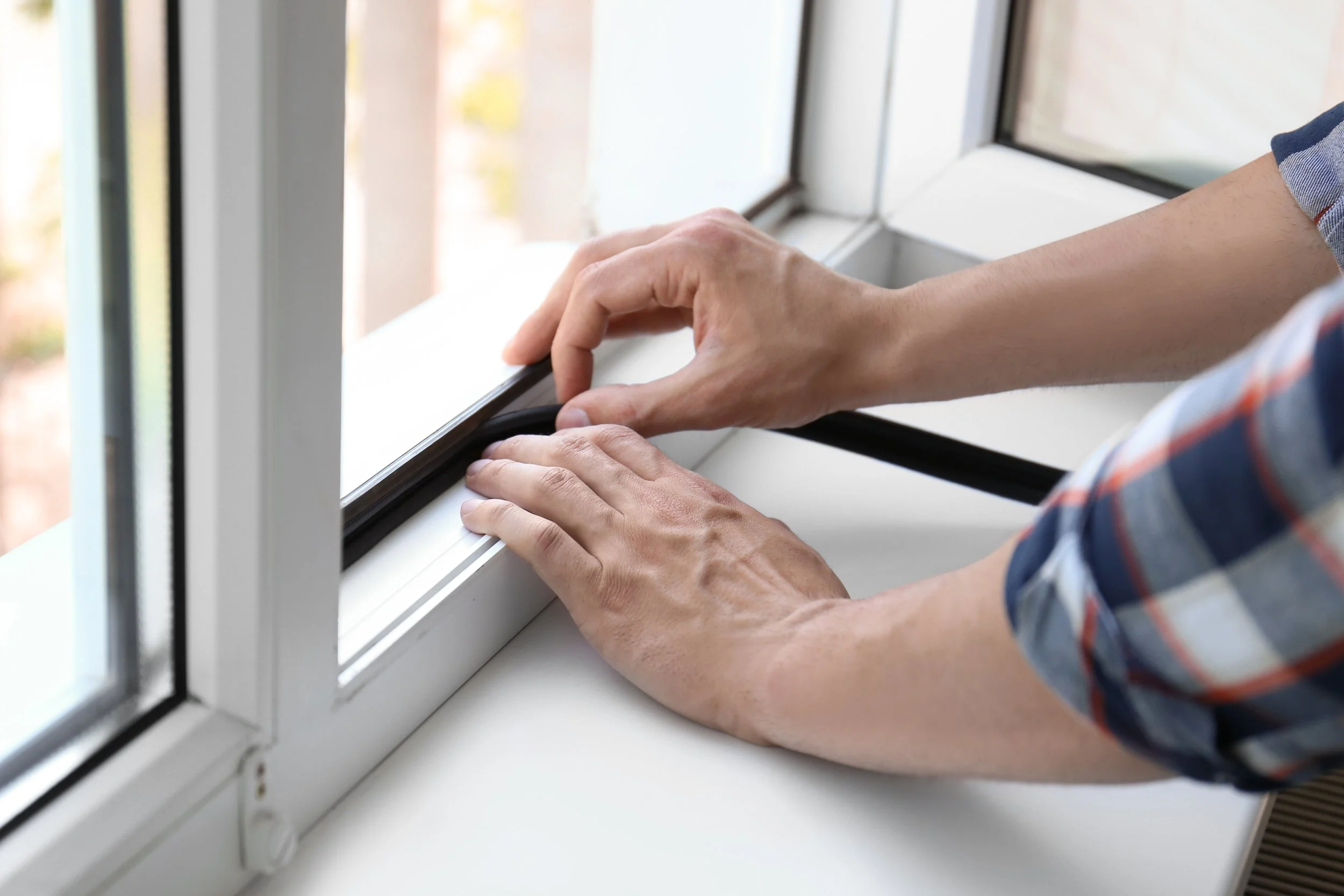
Weather-stripping around doors and windows
Sealing gaps in attic spaces
Installing storm windows where appropriate
These improvements can make a noticeable difference in heating efficiency during Buffalo’s long winter months.
Preparing Exterior Areas for Snow
Buffalo homeowners also prepare their properties for the practical realities of snow removal.
Before winter arrives, many residents:
Inspect driveways and walkways
Prepare snow removal equipment
Mark driveway edges for plowing visibility
Check outdoor lighting for winter conditions
Because snowfall can be frequent, maintaining safe and accessible walkways becomes part of everyday winter life.
Living with Winter in Buffalo
For longtime residents, winter preparation is simply part of the rhythm of living in Western New York. Buffalo homes — many of which have stood for more than a century — are designed to endure the region’s climate.
With the right preparation each fall, homeowners can protect their properties, improve comfort indoors, and handle winter weather with confidence.
In Buffalo, winter isn’t just something to get through — it’s something the city is built to handle.
Related Reading
Maintaining a Buffalo Home
Owning in Buffalo
Buffalo Housing Market
Living in Buffalo