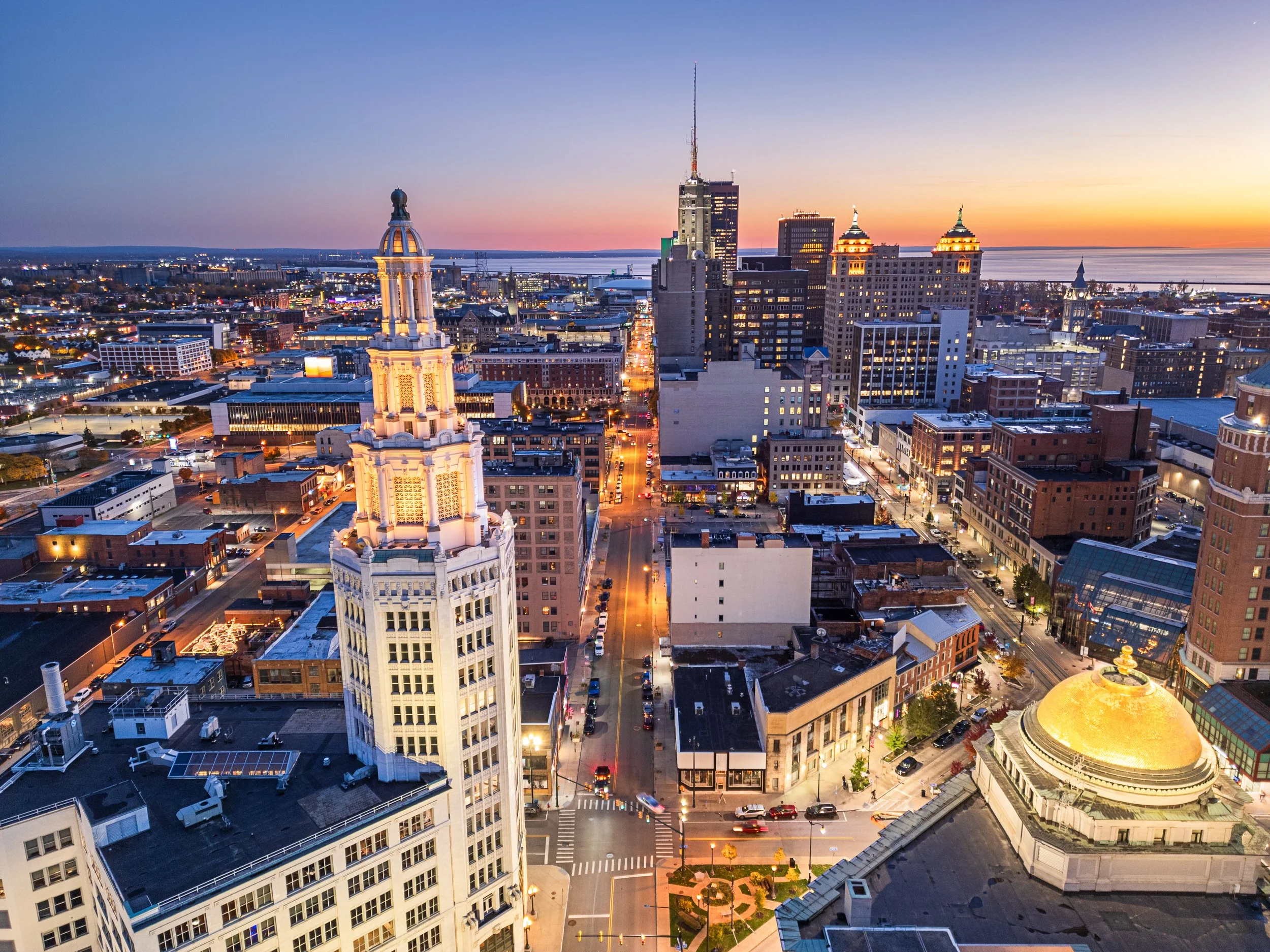
Buffalo Real Estate
Homes, Neighborhoods, and Buying Property in Buffalo, NY

Buffalo’s real estate market offers something increasingly rare—affordability, character, and distinct neighborhood identity. While many cities have seen housing prices climb rapidly, Buffalo continues to attract buyers looking for space, historic homes, and long-term value.
Across the city, properties range from late-19th-century Victorians to early-20th-century Craftsman homes, along with updated condos and multi-family residences. Many homes retain original architectural details—hardwood floors, woodwork, and structural craftsmanship that reflect Buffalo’s industrial-era growth.
For buyers and homeowners alike, understanding both the opportunity and responsibility of owning property in Buffalo is key.
Buffalo’s Historic Housing Stock
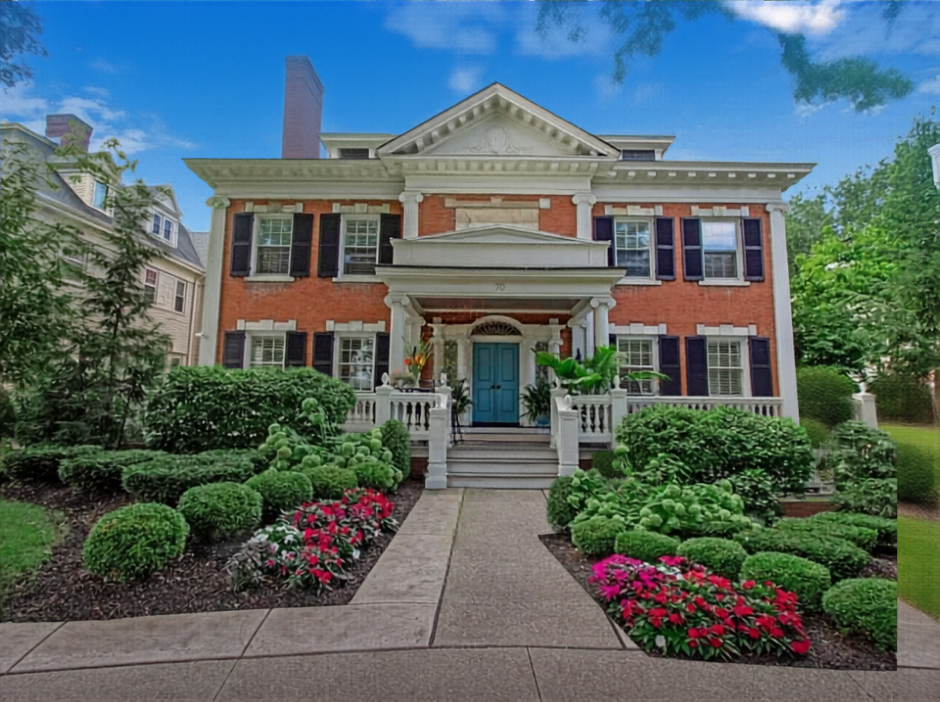
One of the defining features of Buffalo real estate is the age and architectural character of its homes.
Much of the city’s residential development took place between the late 1800s and the 1940s. As a result, many neighborhoods feature well-preserved homes built with materials and craftsmanship rarely seen in modern construction.
Common housing styles include:
• Victorian homes
• Colonial Revival houses
• Craftsman bungalows
• Early 20th-century doubles
• Brick townhomes
These homes contribute to the identity of Buffalo’s neighborhoods—but they also require ongoing maintenance and thoughtful updates.
Buffalo Neighborhood Real Estate
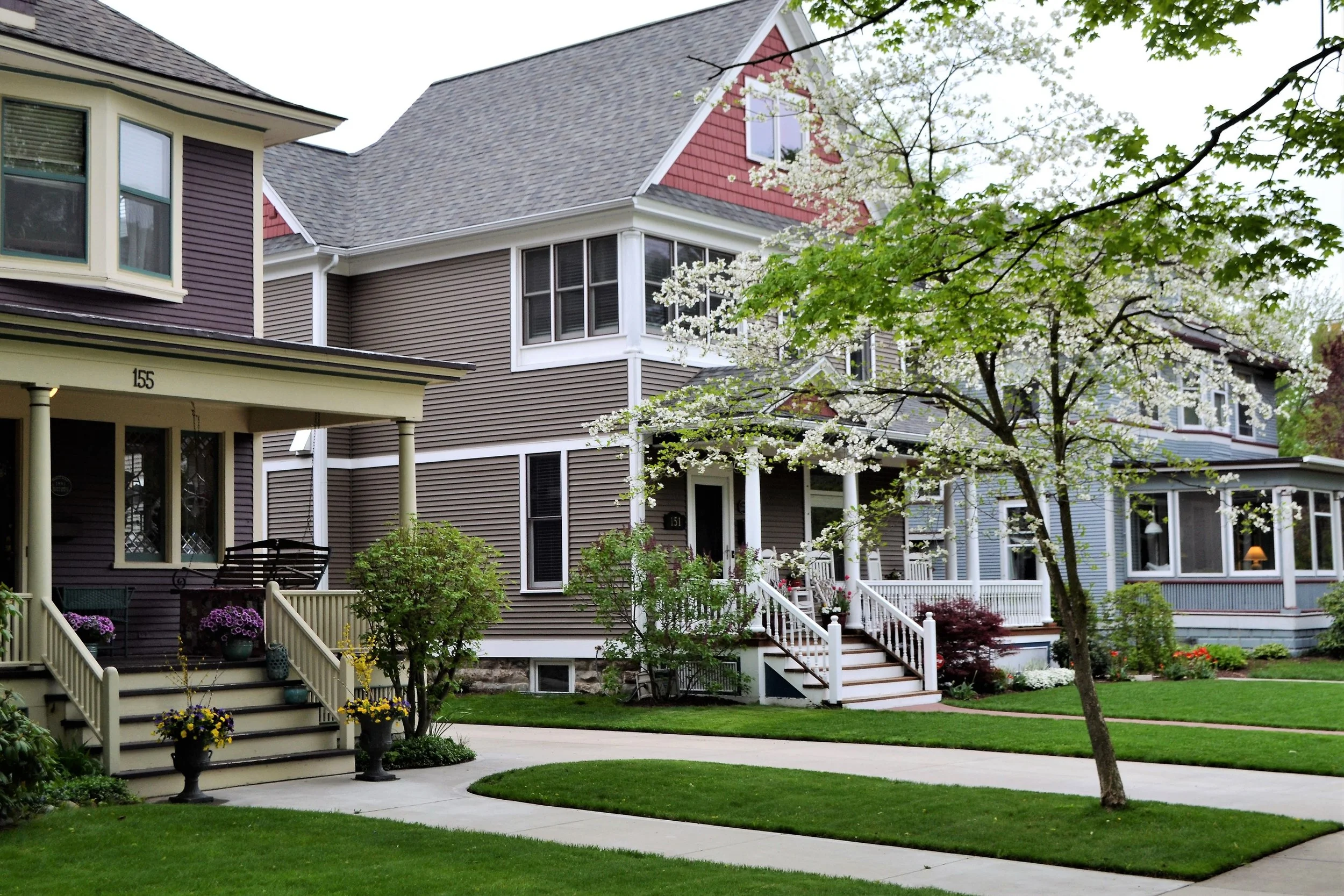
Real estate in Buffalo is closely tied to neighborhood identity. Each part of the city offers a different mix of housing styles, walkability, and lifestyle.
• Elmwood Village — Historic homes, walkable streets, local shops
• North Buffalo — Residential feel, strong housing stock, family-friendly
• Allentown — Architectural character with proximity to downtown
• Hertel Avenue Area — Vibrant corridor with surrounding residential neighborhoods
Exploring neighborhoods is often the most important step in understanding Buffalo’s real estate market.
→ Explore Buffalo Neighborhoods
Buying a Home in Buffalo
The home-buying process in Buffalo follows many of the same steps as other markets—but there are a few local factors buyers should understand.
Because many homes are older, inspections are especially important. Buyers often evaluate:
• Roof condition and age
• Plumbing and electrical systems
• Foundation and structural integrity
• Insulation and heating systems
Buffalo’s climate also plays a role, influencing roofing durability, energy efficiency, and long-term maintenance needs.
Despite these considerations, Buffalo remains one of the more accessible real estate markets in the Northeast, offering opportunities for both first-time buyers and long-term investors.
→ Explore Moving to Buffalo
Featured Local Real Estate Professional
Navigating Buffalo’s housing market is easier with guidance from someone who understands the city’s neighborhoods, housing stock, and long-term considerations—especially when working with older homes.
Vienna Laurendi with Howard Hanna Real Estate Services
A Buffalo-based real estate professional experienced in helping buyers understand neighborhood differences, property conditions, and long-term value across the city.
Often a strong fit for:
• First-time buyers
• Buyers relocating to Buffalo
• Those considering historic or older homes
Visit Website
Working With Buffalo Real Estate Agents
Local knowledge is one of the most valuable assets when navigating Buffalo’s housing market.
Real estate agents familiar with the city can help buyers:
• Identify neighborhoods that match lifestyle and budget
• Understand condition-related considerations in older homes
• Coordinate inspections and contractor evaluations
• Navigate pricing trends across different areas
For buyers relocating from outside Western New York, working with a knowledgeable local agent can make the transition significantly smoother.

The Future of Buffalo Real Estate
Buffalo’s real estate market has gained increased attention in recent years as buyers search for cities that balance affordability with quality of life.
With historic neighborhoods, access to outdoor recreation, and a growing cultural and food scene, Buffalo continues to attract both new residents and investors interested in restoring the city’s architectural heritage.
For many homebuyers, Buffalo represents something increasingly rare: a city where historic homes, vibrant neighborhoods, and attainable homeownership still intersect.
Advertise or Get Featured in Buffalo
If you’re a Buffalo business owner, artist, realtor, or community leader, let’s tell your story.