
Owning In Houston
Homes, Neighborhoods & What To Expect

Owning a home in Houston means becoming part of one of the nation's most diverse and fastest-evolving housing markets.
From historic bungalows in The Heights and luxury estates in River Oaks to contemporary townhomes, master-planned communities, and suburban neighborhoods stretching across the metropolitan area, Houston offers an extraordinary range of housing styles and lifestyles.
Homeownership here is shaped by two defining factors: the city's diverse residential landscape and its Gulf Coast climate. Together, they influence where people choose to live, how homes are built, and the maintenance required to protect one of life's largest investments.
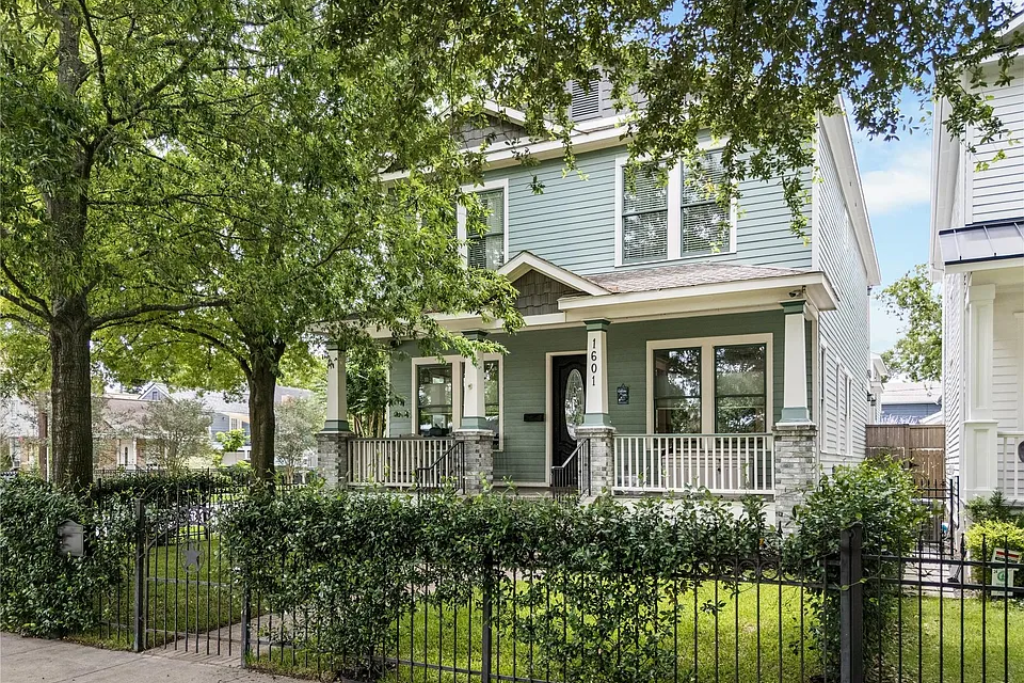
A City Of Diverse Homes
Houston's housing stock reflects decades of continuous growth.
Unlike cities dominated by a single architectural era, Houston's neighborhoods showcase homes built over multiple generations, creating remarkable variety throughout the metropolitan area.
Across Houston you'll find:
Traditional ranch-style homes
Historic Craftsman bungalows
Mid-century residences
Luxury custom estates
Townhomes and patio homes
High-rise condominiums
New construction in master-planned communities
Each neighborhood tells a different story. Some emphasize walkability and historic character, while others focus on larger homesites, modern amenities, or convenient access to employment centers.
Owning a home in Houston often means choosing not only a property, but also a neighborhood and lifestyle that best fits your long-term goals.
Housing Market Snapshot
Housing Market Snapshot (Updated February 2026)
Median Home Sale Price: Approximately $365,000
Average Home Value: Approximately $350,000
Average Time To Pending Sale: About 35 Days
Houston's Housing Market
Houston remains one of the more attainable housing markets among America's largest metropolitan areas.
Although prices have increased over the past decade, the city continues to offer a wider variety of housing options than many comparable markets.
Buyers can often choose between established neighborhoods with mature trees and architectural character, newly developed suburban communities, luxury urban residences, and homes designed for growing families.
As one of the country's fastest-growing metropolitan areas, Houston's housing market continues to evolve alongside population growth and economic expansion.
Market and climate data last updated: February 2026. As an evergreen resource, figures are reviewed periodically to reflect current conditions.
Neighborhoods Shape The Experience
Where you live in Houston has a significant impact on your day-to-day lifestyle.
Some neighborhoods prioritize walkability and local businesses. Others offer larger homes, highly regarded schools, parks, or convenient access to major employment centers.
Each neighborhood offers its own character, housing styles, and long-term value.
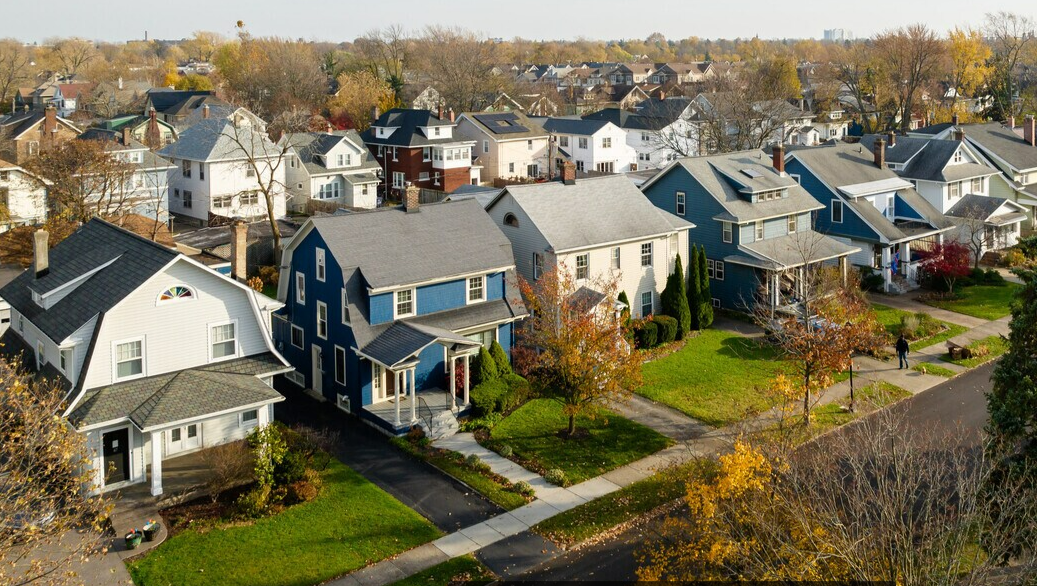
The Heights
Historic homes, tree-lined streets, independent restaurants, and a strong sense of neighborhood identity.
West University Place
Highly desirable residential community near Rice University and the Texas Medical Center.
River Oaks
Luxury homes, mature landscaping, and one of Houston's most prestigious residential areas.
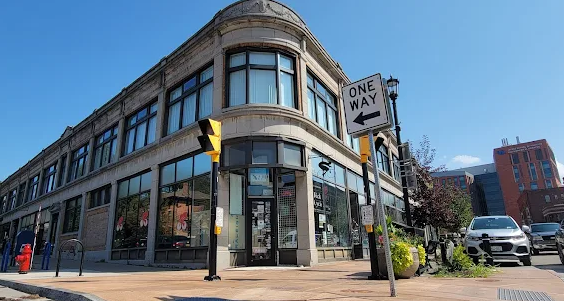
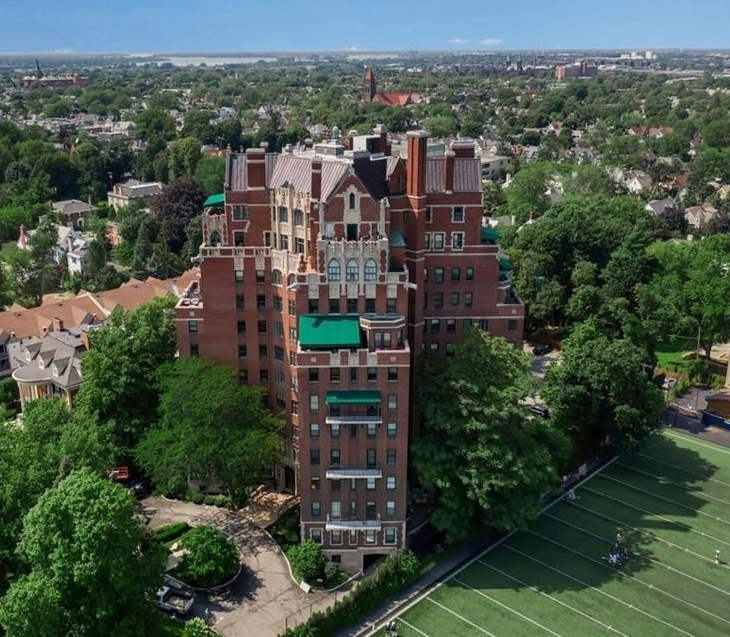
Learn More: Houston Neighborhoods
Memorial
Established communities, larger lots, excellent parks, and convenient access to west Houston.
The Woodlands
Master-planned living with extensive parks, shopping, recreation, and family-focused amenities.
Montrose
Historic character, diverse architecture, arts, dining, and an energetic urban atmosphere.
Owning a Home in a Four-Season City
Buffalo’s climate also shapes homeownership in practical ways.
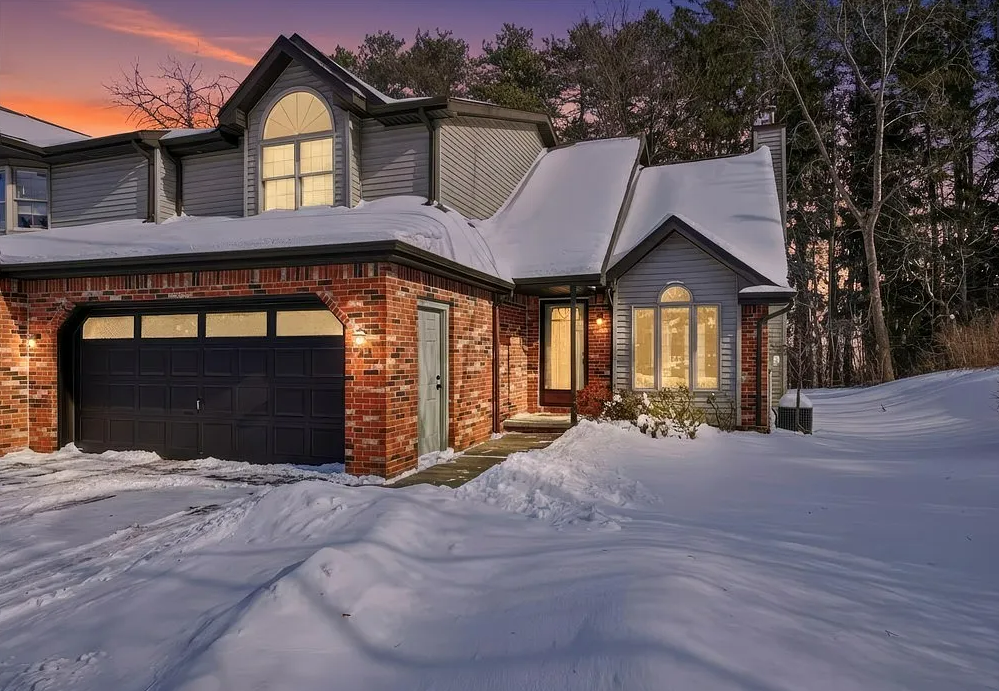
Winter conditions—freezing temperatures, snow accumulation, and lake-effect storms—mean homeowners plan for seasonal preparation.
Typical considerations include:
Heating systems designed for extended cold periods
Roof durability and snow management
Insulation and weather sealing
Seasonal exterior maintenance
These realities are simply part of owning property in a northern city. The upside is that Buffalo homes are often built with these conditions in mind, and residents are accustomed to seasonal upkeep.
Average annual temperature: 48.8°F
Coldest months: January and February
Hottest month: July, averaging 81°F
Seasonal Home Preparation
Buffalo’s long winters make seasonal preparation part of normal homeownership. Many homeowners schedule furnace servicing before winter, check insulation and weather sealing, and prepare outdoor areas for snow and freezing temperatures. These steps help homes stay efficient and protected during extended cold periods.
Roof & Snow Management
Snow accumulation and freeze-thaw cycles mean roof condition matters in Buffalo. Durable roofing materials, proper attic ventilation, and routine inspections help prevent ice dams and winter damage. Clearing heavy snow from driveways, walkways, and around entrances also becomes part of winter home maintenance.
Exterior & Property Upkeep
Buffalo’s seasonal shifts affect exterior materials and landscaping. Homeowners often maintain siding, gutters, and drainage systems while preparing yards and outdoor spaces for changing weather conditions. Regular upkeep helps older homes — which are common throughout Buffalo neighborhoods — remain strong and functional year after year.
Aging Housing Stock
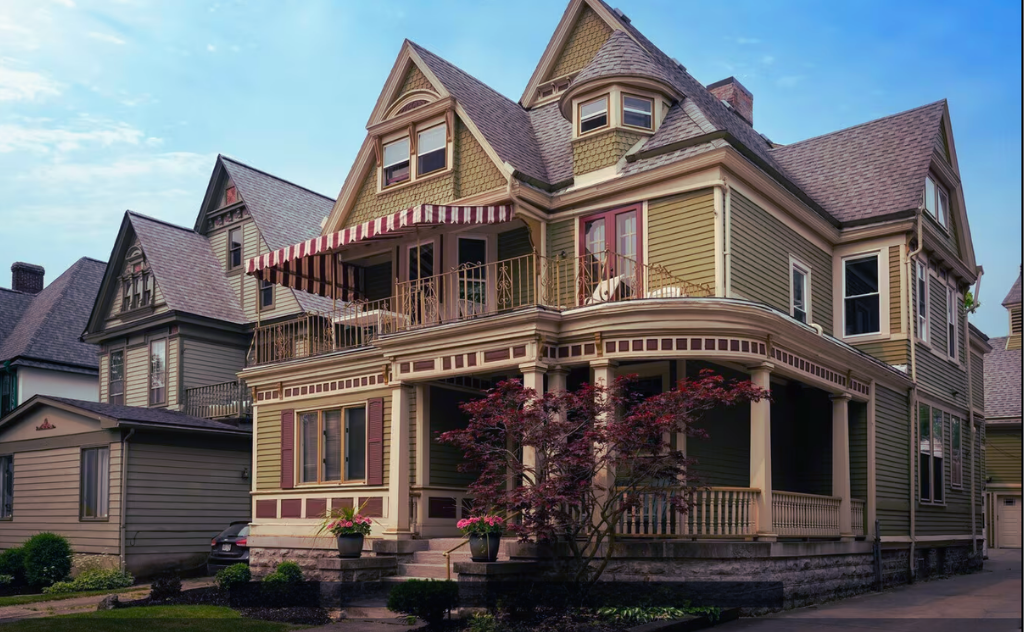
Many Buffalo homes were built between the late 1800s and early 1900s, giving neighborhoods their historic character. With that charm often comes older plumbing, electrical systems, and structural materials that may require periodic updates. Homeowners commonly modernize these systems over time while preserving the architectural details that make Buffalo homes distinctive.
Erie County Property Taxes and Long-Term Value
Like many cities in New York State, Buffalo homeowners pay property taxes based on their home's assessed value and local tax rates.
While taxes can vary by neighborhood and property value, Buffalo remains relatively affordable compared with many Northeastern metropolitan housing markets.
Home values have also risen steadily in recent years, driven by increased demand, population stabilization, and renewed interest in Buffalo’s neighborhoods.
For many buyers, the combination of historic character and comparatively accessible pricing makes Buffalo an attractive long-term investment.

Use Zillow’s Property Tax Calculator (Erie County)

Why People Choose to Own in Buffalo
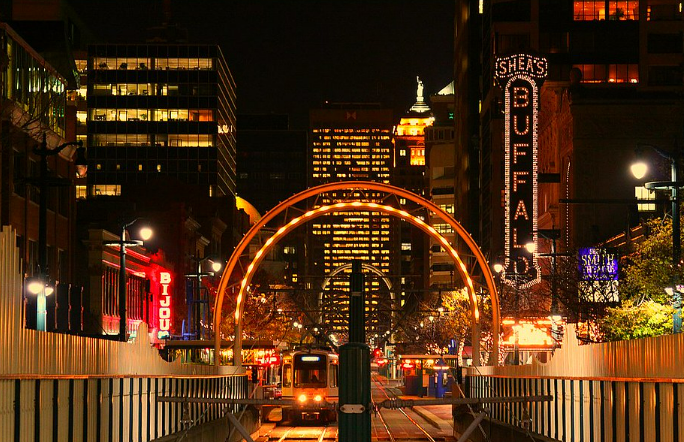
Homeownership in Buffalo appeals to a wide range of residents. Some are drawn by the city’s historic architecture and neighborhood character. Others value the ability to purchase a home at a price point that would be difficult to find in larger cities. Many residents also appreciate the sense of community that comes with Buffalo’s neighborhood culture. Front porches, local businesses, and block-level connections still play an important role in everyday life here. Owning a home in Buffalo often means becoming part of a neighborhood that values its history while continuing to evolve.
Inside Buffalo: Continue exploring life in the Queen City.
Living in Buffalo Making the Move Buffalo Neighborhoods Culture & Community
Advertise or Get Featured in Buffalo
If you’re a Buffalo business owner, artist, realtor, or community leader, let’s tell your story.